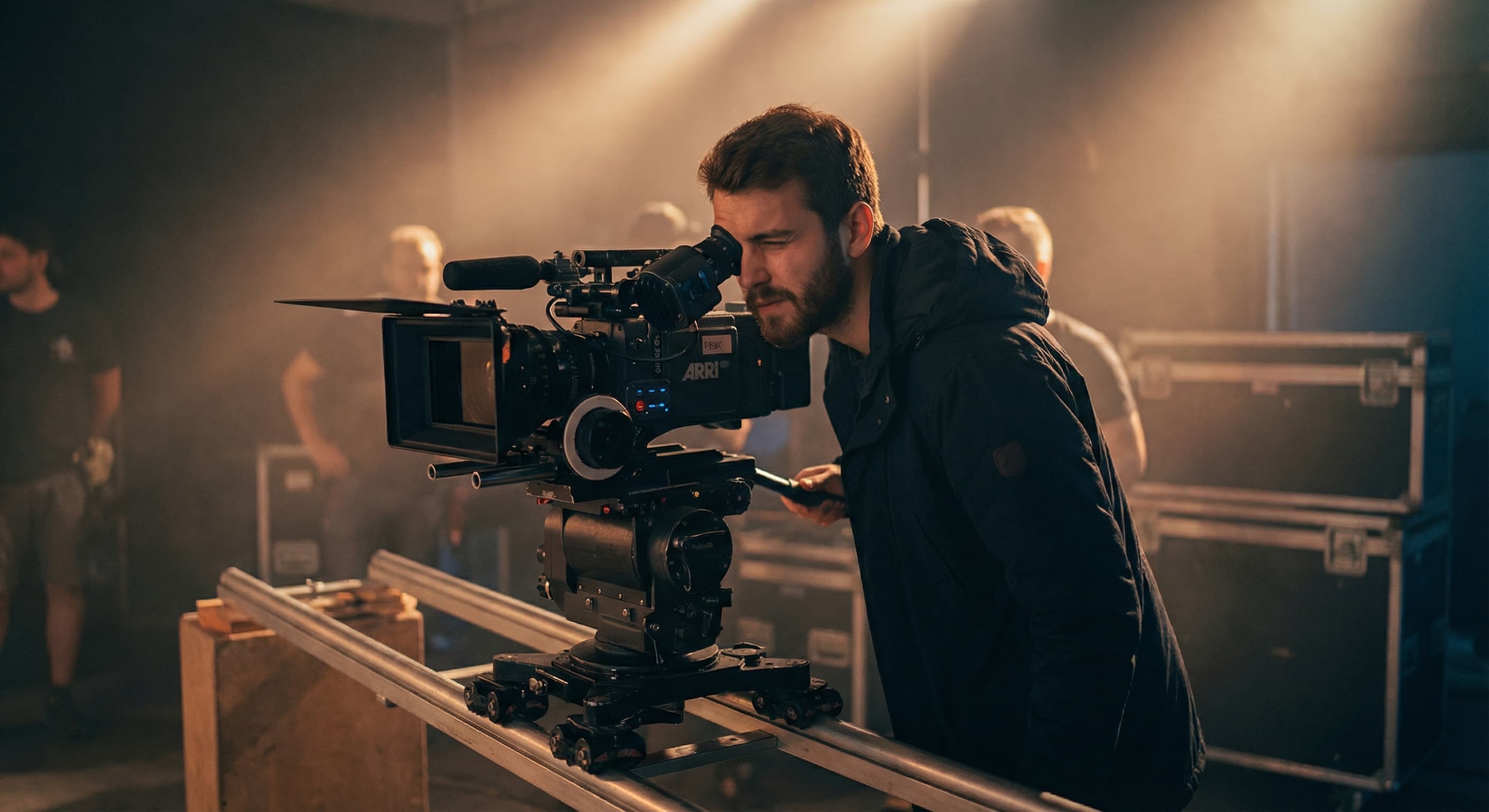
Cinematic scenes
“A lone figure walks through fog under streetlights, slow dolly forward, moody cinematic lighting.”
Made workflow
Type what should happen on screen and Made renders it as an MP4 clip. Choose from five video models spanning fast 768P drafts to 30-second 1080p clips with audio, set the duration, and pick the orientation.
What you need to start
A text prompt describing the subject, motion, and camera work; no image required
Original results
These examples use media produced for Made. Prompts are included when the production record allows them.
“A lone figure walks through fog under streetlights, slow dolly forward, moody cinematic lighting.”
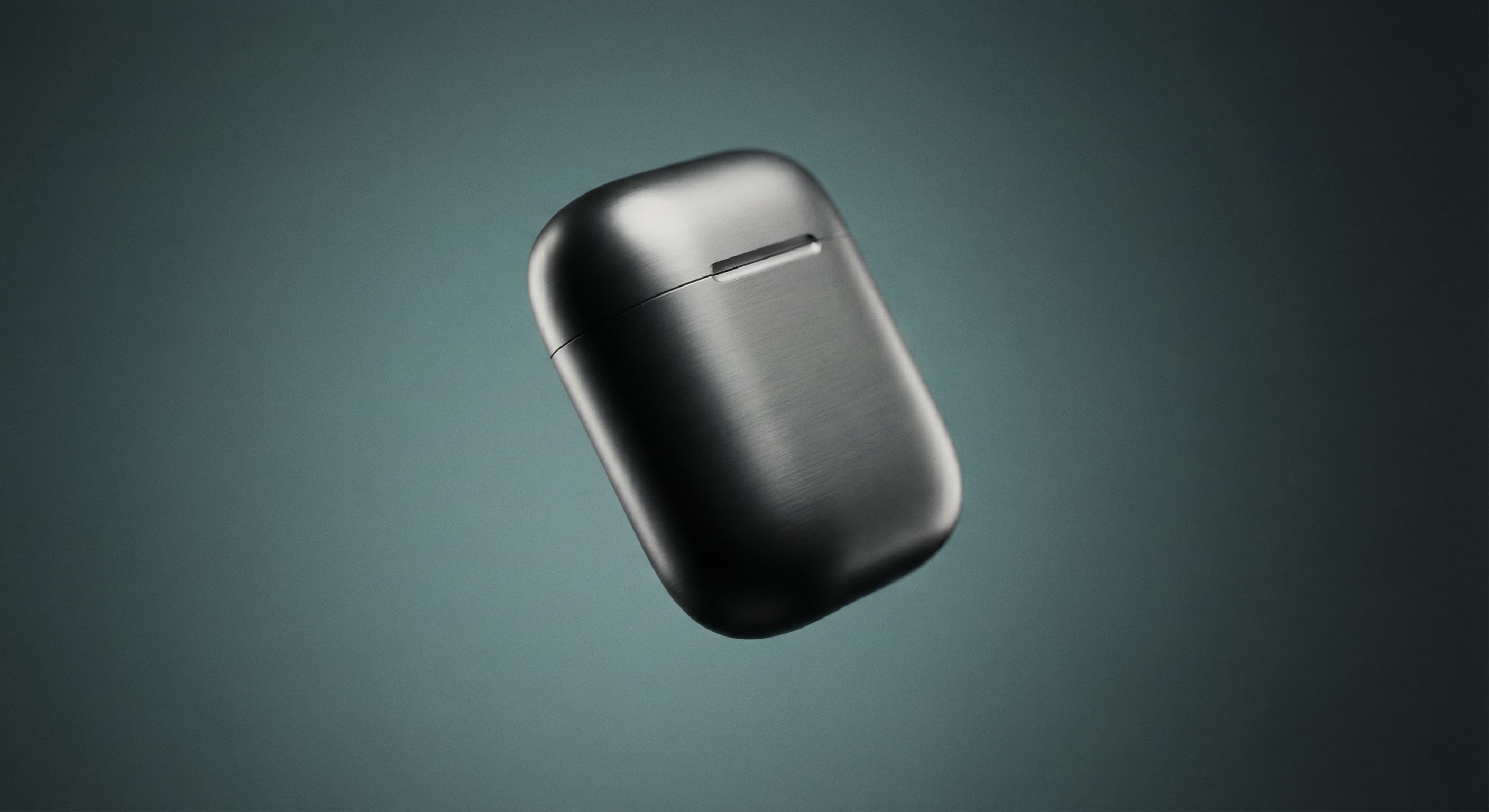
“A skincare bottle rotates on a marble pedestal, soft studio light, slow orbital camera.”
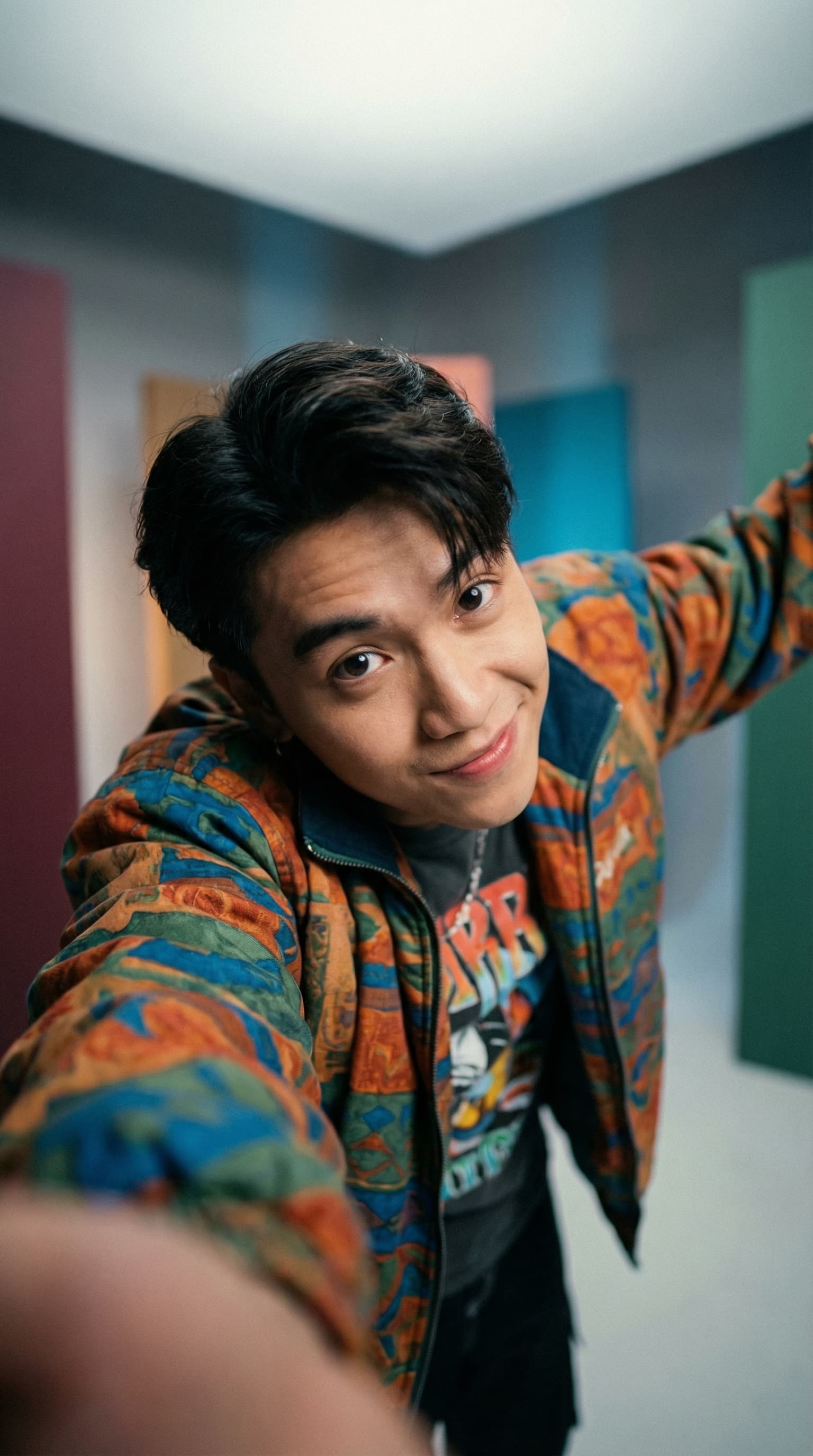
“A close-up coffee pour in bright morning light, energetic pacing, vertical framing.”
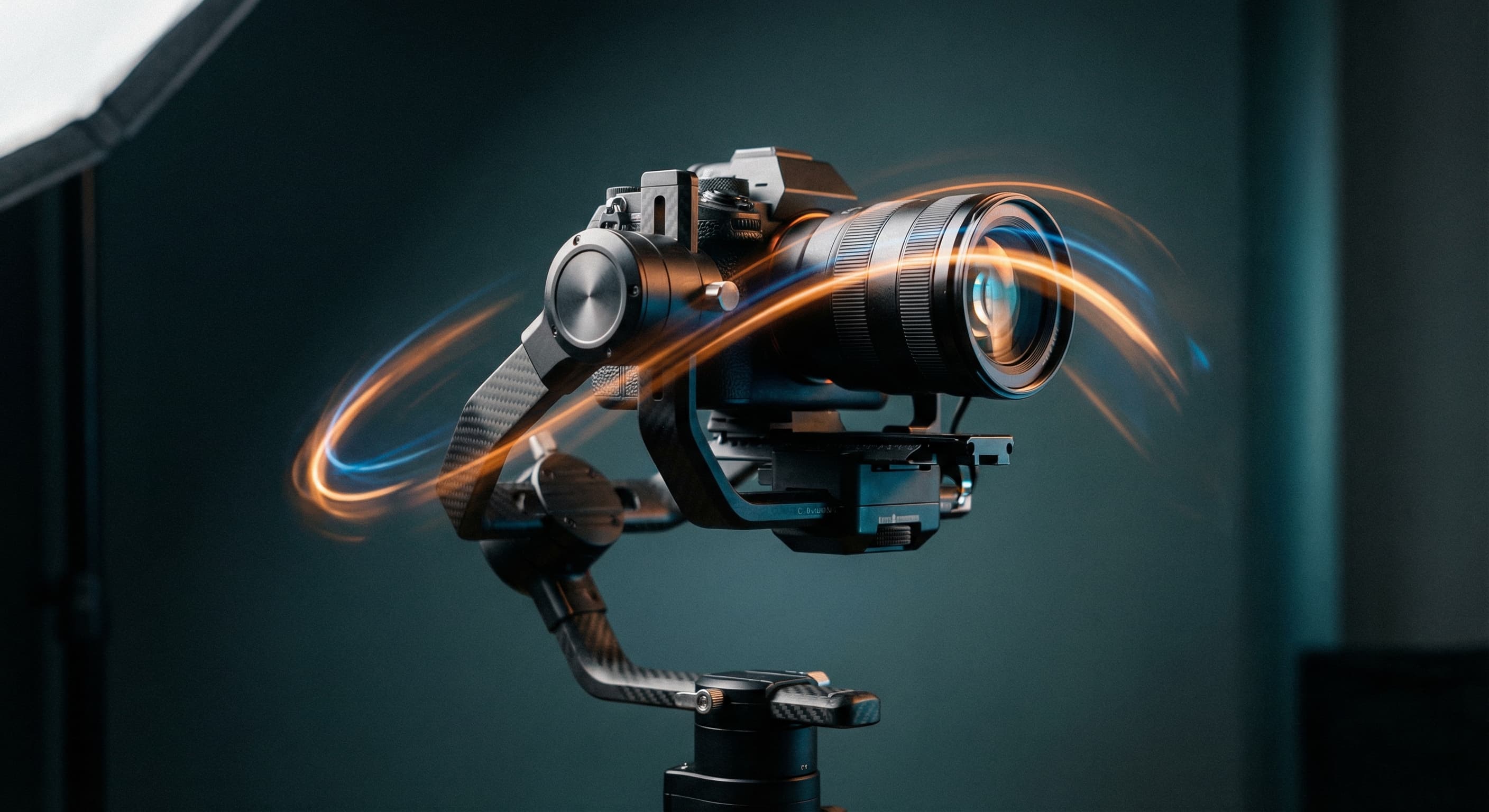
“Aerial tracking shot over a coastline at golden hour, smooth forward motion.”
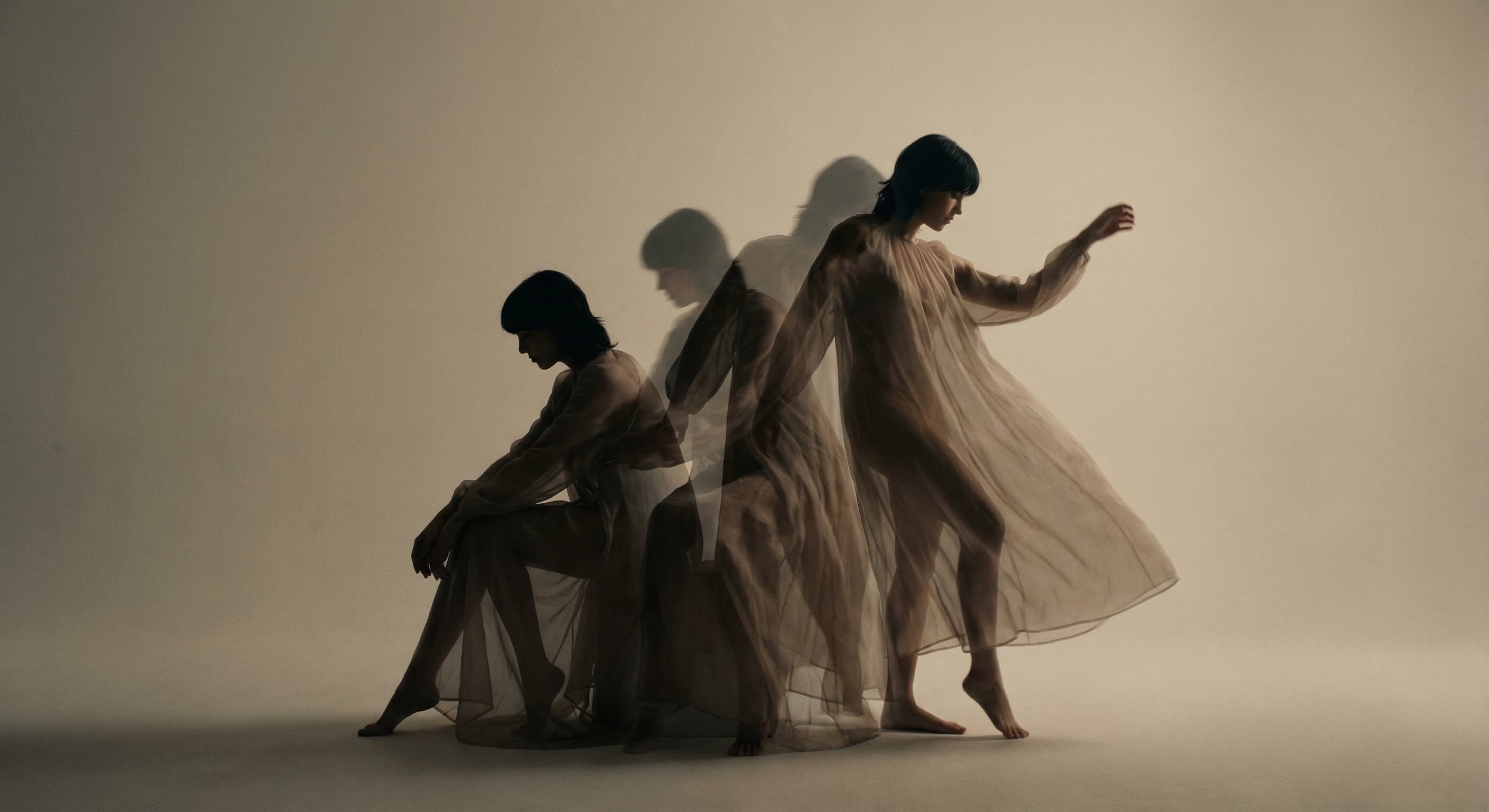
“A city street timelapse from day to night, 15 seconds.”
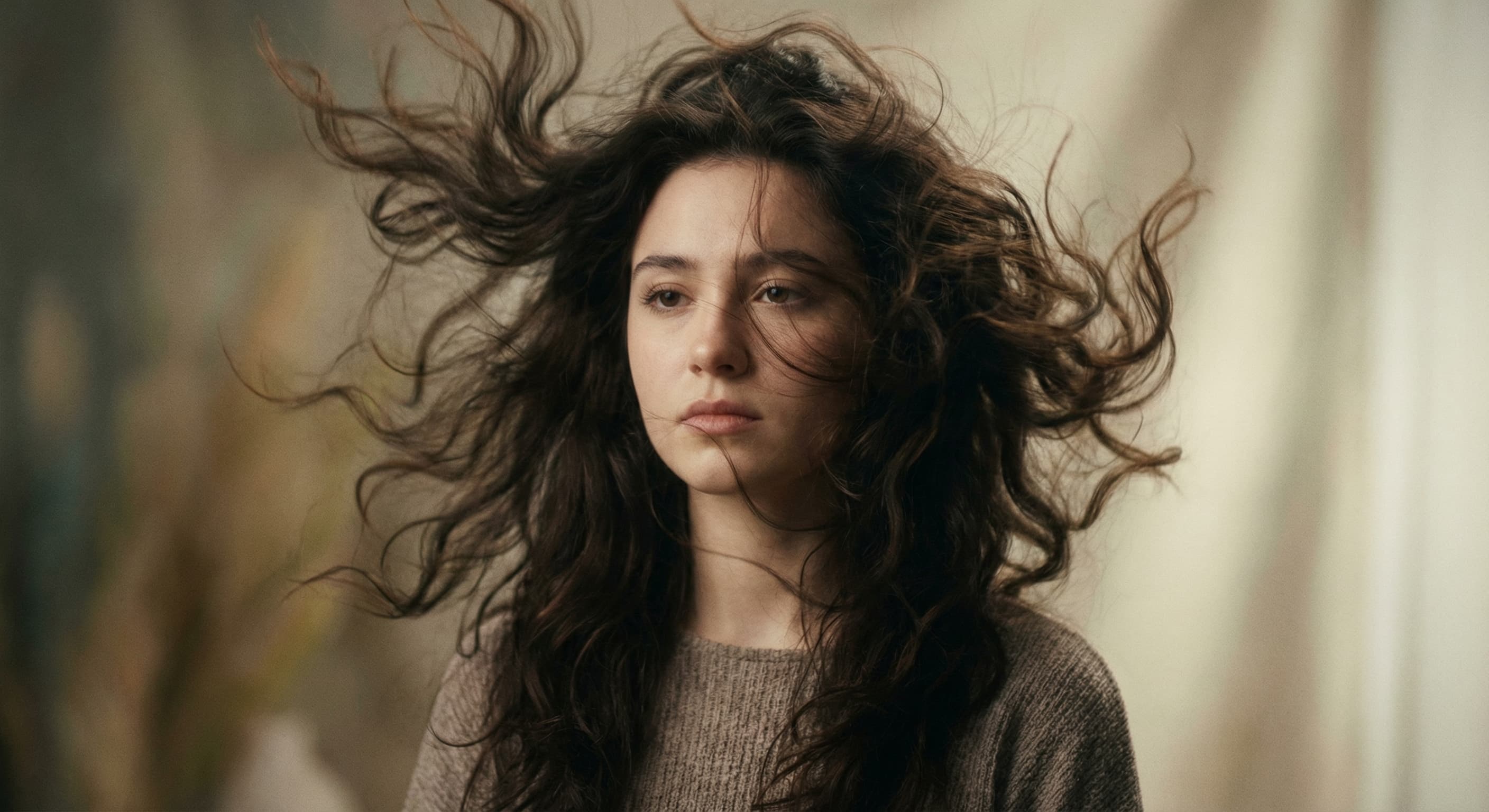
“A dancer turns through shafts of window light, slow orbital camera, soft room tone.”
Render a scene from a script line or shot description to test an idea before committing to production.
Create short vertical or square clips for feeds when you have a concept but no camera, cast, or location.
Describe a product in an environment with camera movement and let the model render a showcase-style clip.
Generate establishing shots, atmospheres, and transitions — on Seedance 2.5 or WAN 3.0 Prime, with ambient audio in the same pass.
Write a motion-focused prompt: subject action, camera movement, pacing, lighting, and any ambient sound you want.
MiniMax H3 Max is the fast default at 768P; Seedance 2.5 and WAN 3.0 Prime render longer premium clips with audio. Made clamps your duration to the chosen model’s range.
Select 16:9, 9:16, or 1:1 for the output frame.
Review the rendered motion, then save the MP4 or continue editing in Made.
video
MiniMax H3 Max is a speed-focused, post-trained variant of the H3 video model, generating 5 to 15 second clips at 480P or 768P with strong prompt adherence — often in a few seconds.
Explore model →video
Seedance 2.5 is ByteDance’s newest video model in Made, generating clips up to 30 seconds in a single pass with native audio at 480p to 1080p — the longest single-shot ceiling in the Made library.
Explore model →video
WAN 3.0 Prime is the premium tier of Alibaba’s WAN 3.0 video family, generating clips from 2 to 30 seconds with synchronized audio at up to 1080p, including 30 fps image-to-video.
Explore model →Upload a still photo and Made animates it. A vision model studies your image and writes a motion-focused prompt, then MiniMax H3 Max renders a five-second MP4 clip with camera movement and subject motion.
Open tool →Turn any image into a captivating video. Upload a photo, describe the motion you want, and watch AI bring it to life with realistic movement, cinematic camera work, and professional quality.
Open tool →Create scroll-stopping product photos and marketing visuals in seconds. Describe your shot, pick your style, and get professional images ready for your store, social feed, or ad campaign.
Open tool →It turns a written description into a rendered video clip. Made sends your prompt to an AI video model that generates the subject, motion, camera movement, and — on supporting models — ambient audio, then returns an MP4.