Motion study
“Cinematic clip: mist drifts across a glassy harbor at dawn as a fishing boat rocks gently and gulls cross the frame”
Every prompt below was generated with Kling 2.6 Pro in Made, and the output next to it is what came back — not a curated stock image. Copy a prompt as a starting point, then use the guide underneath to adapt it.
Original results
These examples use media produced for Made. Prompts are included when the production record allows them.
“Cinematic clip: mist drifts across a glassy harbor at dawn as a fishing boat rocks gently and gulls cross the frame”
“She lunges in slow motion, dust motes swirling through the light shaft, camera orbiting”
“Cinematic clip: a glassblower turns molten glass at the furnace, sparks and heat shimmer, the camera circling slowly”
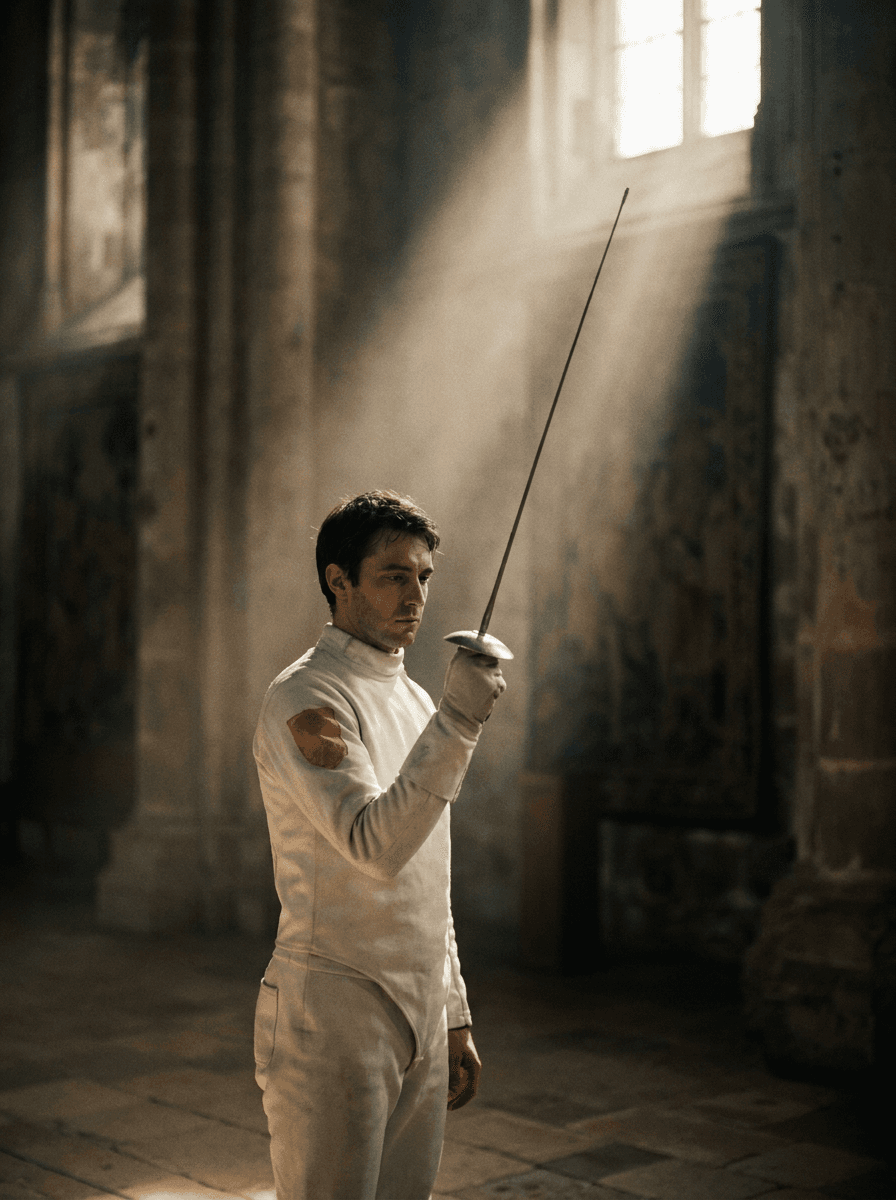
“Use this image as the opening composition.”
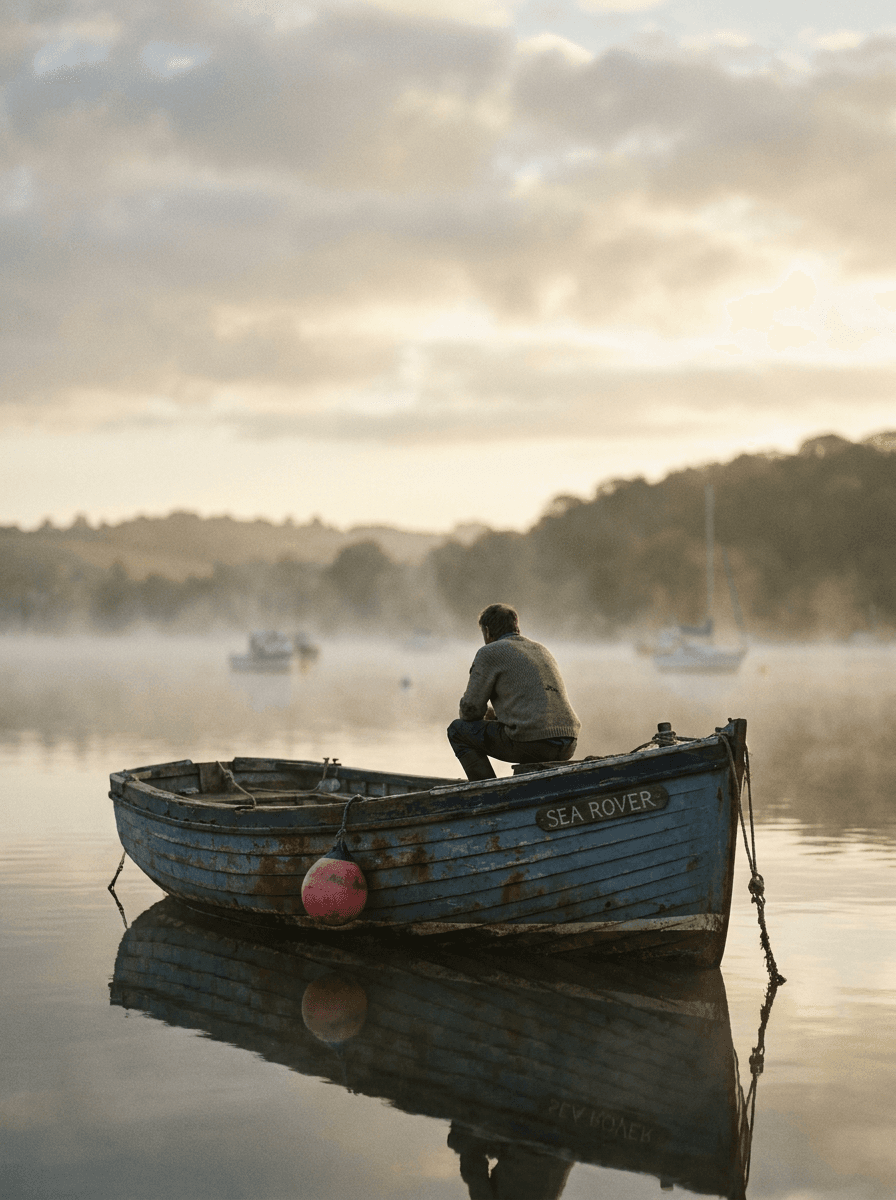
“Set the scene as a still before describing its motion.”
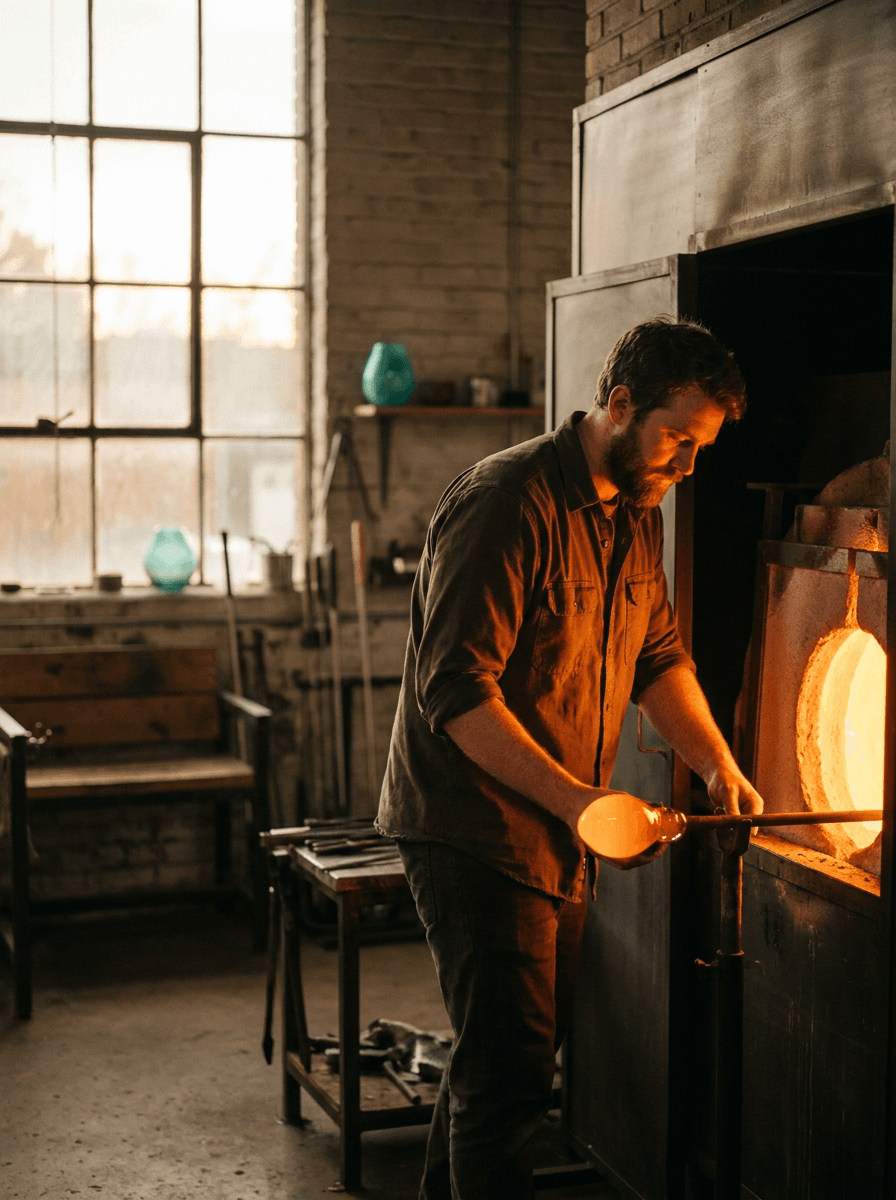
“Plan the shot as a still, then hand the motion to the model.”
Describe the subject, motion, and camera path; the model favors stable, controlled cinematic movement.
Upload a start image to animate, and optionally an end frame so the clip resolves exactly where you want.
Pick 16:9, 9:16, or 1:1 for text-to-video, and a duration of 5 or 10 seconds.
Check motion stability and continuity, then adjust one instruction at a time.
Iteration is cheap here: Kling 2.6 Pro costs $0.07 / second at the provider's wholesale rate, so rewriting a prompt and rerunning it is a normal part of the workflow, not a budget decision. See the full Kling 2.6 Pro pricing breakdown.
It is Kling AI’s cinematic 2.x flagship, generating stable 5 or 10 second clips from a text prompt or a start image.
More tested prompts across all models live in the prompt library, and the full Kling 2.6 Pro capability rundown is on the model page.