Motion study with audio
“Cinematic clip: a flamenco dancer spins in a candlelit courtyard, dress blooming, heels striking the boards”
Every prompt below was generated with Kling 3 Turbo in Made, and the output next to it is what came back — not a curated stock image. Copy a prompt as a starting point, then use the guide underneath to adapt it.
Original results
These examples use media produced for Made. Prompts are included when the production record allows them.
“Cinematic clip: a flamenco dancer spins in a candlelit courtyard, dress blooming, heels striking the boards”
“He vaults the gap between rooftops in one fluid move, camera whip-panning to follow”
“Cinematic clip: a vintage convertible sweeps through coastal switchbacks at sunset, drone camera arcing overhead”
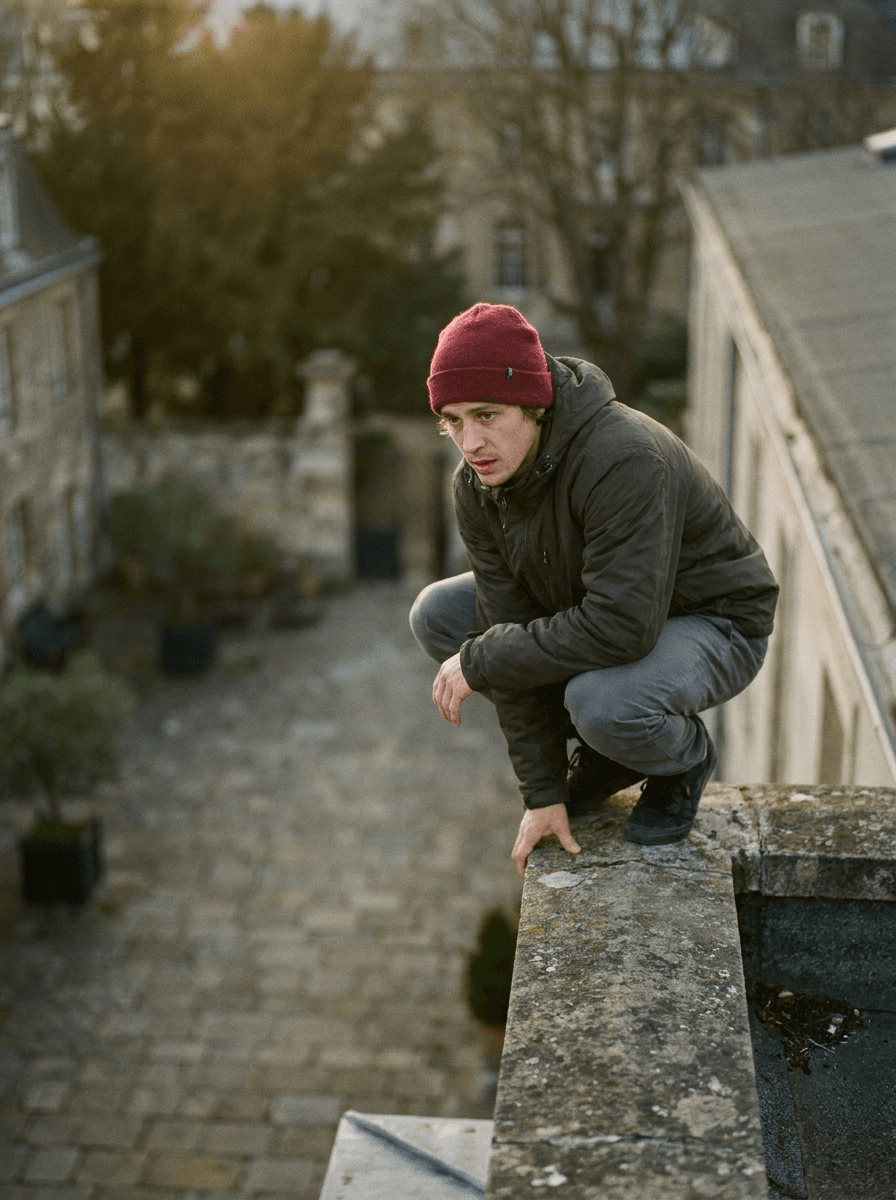
“Use this image as the opening composition.”
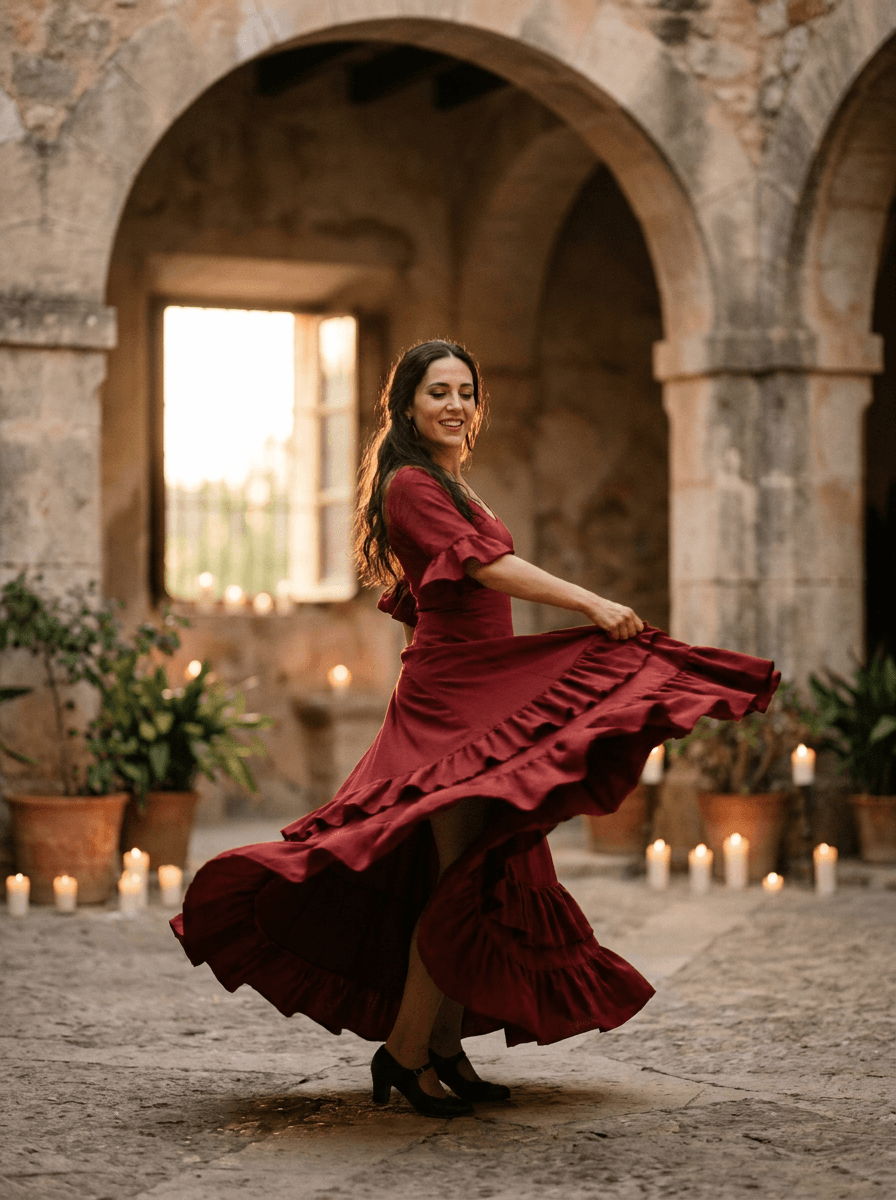
“Set the scene as a still before describing its motion and sound.”
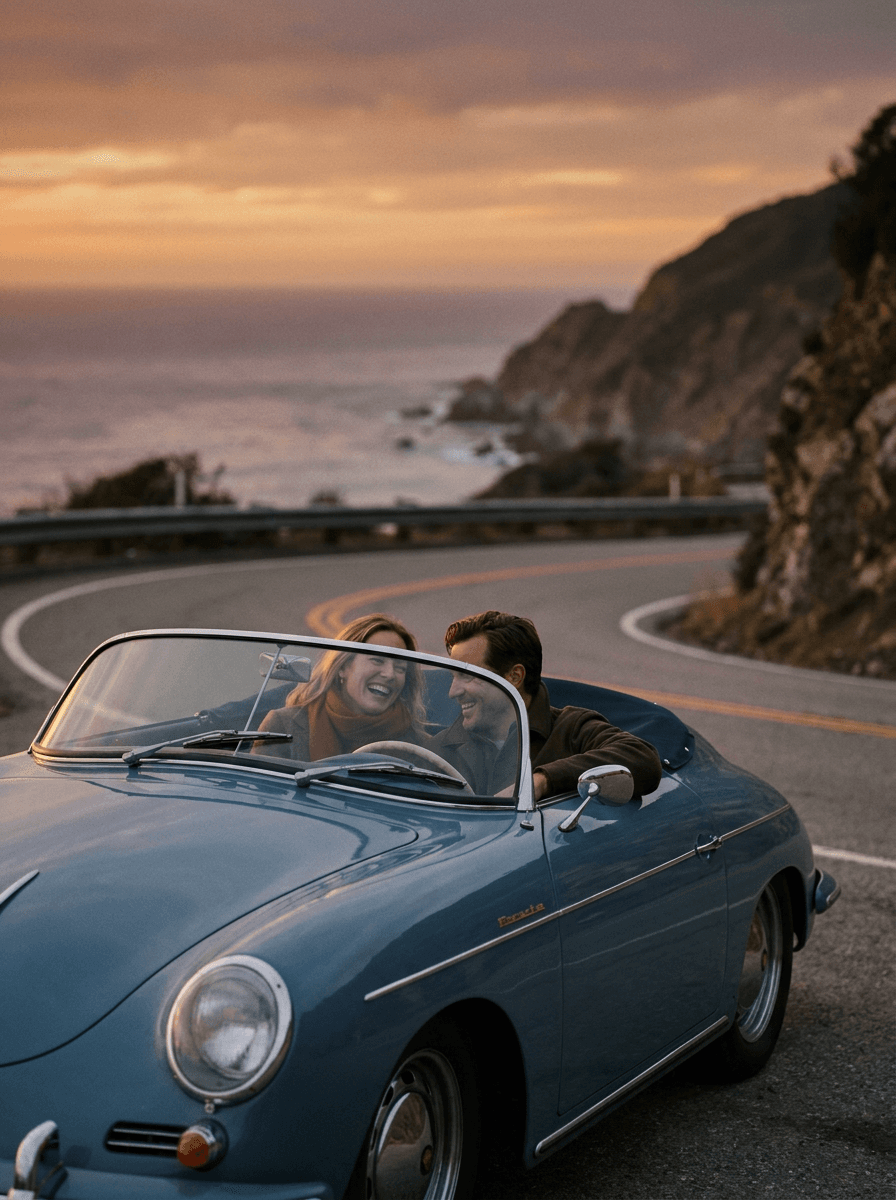
“Plan the shot as a still, then hand the motion to the model.”
Describe the subject, motion, camera move, and the audio the clip should carry — sound is generated natively.
Upload a still to animate; Turbo keeps its composition and adds motion and matching audio.
Pick 16:9, 9:16, or 1:1 and any duration from 3 to 15 seconds.
Iterate cheaply on Turbo, then re-run the keeper brief on Kling 3 Pro or Kling O3 Pro for the final master.
Iteration is cheap here: Kling 3 Turbo costs $0.112 / second at the provider's wholesale rate, so rewriting a prompt and rerunning it is a normal part of the workflow, not a budget decision. See the full Kling 3 Turbo pricing breakdown.
It is the fast, lower-cost tier of Kling AI’s third-generation video model, generating 3 to 15 second clips at 720p with native audio from text or a start image.
More tested prompts across all models live in the prompt library, and the full Kling 3 Turbo capability rundown is on the model page.