Motion study with audio
“Cinematic clip with sound: a night train crosses a stone viaduct over fog, wheels clacking, camera drifting alongside”
Every prompt below was generated with Veo 3.1 in Made, and the output next to it is what came back — not a curated stock image. Copy a prompt as a starting point, then use the guide underneath to adapt it.
Original results
These examples use media produced for Made. Prompts are included when the production record allows them.
“Cinematic clip with sound: a night train crosses a stone viaduct over fog, wheels clacking, camera drifting alongside”
“The astronaut walks forward through parting sunflowers, fabric rustling and birdsong audible, camera pulling back”
“Underwater clip with audio: a surfer duck-dives under a breaking wave, bubbles roaring past, sunlight rippling”
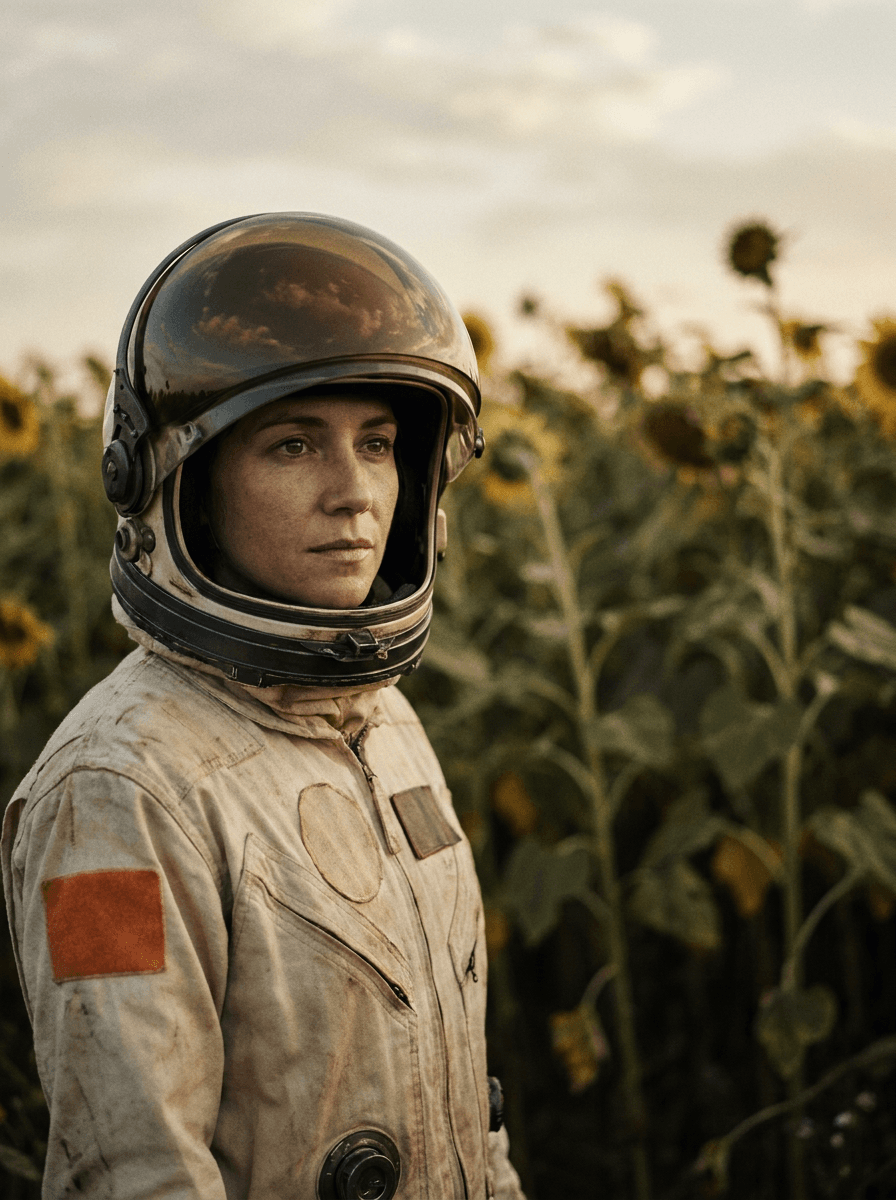
“Use this image as the opening composition.”
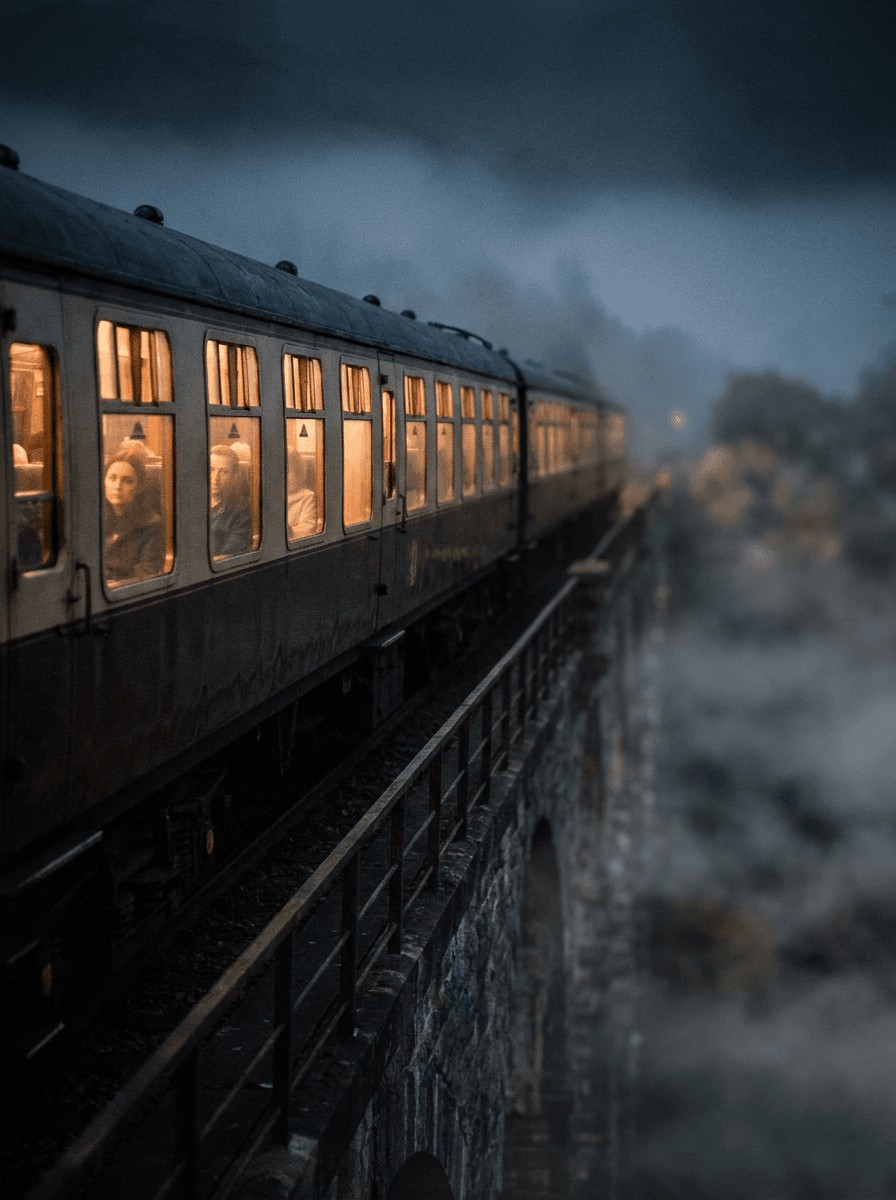
“Set the scene as a still before describing its motion and sound.”
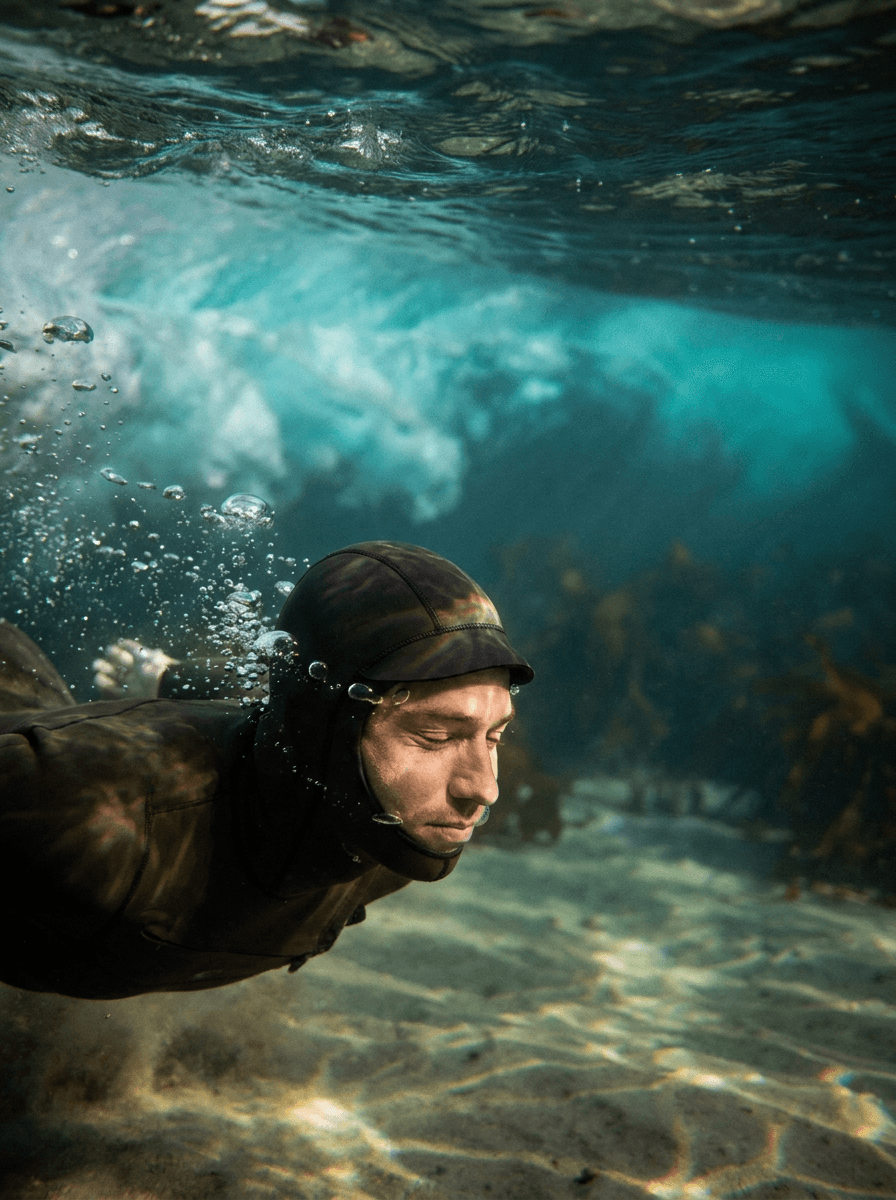
“Plan the shot as a still, then hand the motion to the model.”
Describe the subject, motion, camera path, and the audio the clip should carry — sound is generated natively.
Add a start frame to animate a still, or a start and end frame to control the transition between two compositions.
Pick 16:9, 9:16, or 1:1 and a duration of 4 or 8 seconds.
Check motion, audio sync, and continuity, then adjust one instruction at a time.
Iteration is cheap here: Veo 3.1 costs $0.40 / second at the provider's wholesale rate, so rewriting a prompt and rerunning it is a normal part of the workflow, not a budget decision. See the full Veo 3.1 pricing breakdown.
It is Google’s flagship video generation model, producing 4 or 8 second clips with natively synchronized audio from text or a start image.
More tested prompts across all models live in the prompt library, and the full Veo 3.1 capability rundown is on the model page.