Realism study
“A street food cook tosses noodles in a flaming wok at a night market stall, flames licking the rim, steam rolling up through neon light, the camera locked off at counter height.”
Every prompt below was generated with Kling O3 4K in Made, and the output next to it is what came back — not a curated stock image. Copy a prompt as a starting point, then use the guide underneath to adapt it.
Original results
These examples use media produced for Made. Prompts are included when the production record allows them.
“A street food cook tosses noodles in a flaming wok at a night market stall, flames licking the rim, steam rolling up through neon light, the camera locked off at counter height.”
“The fisherman pulls the net taut and ties off a knot, water lapping at the dock posts, a gull drifting past in the background, natural dawn light holding steady.”
“A slab of glacier ice breaks away and crashes into the fjord, spray rising and a slow swell rolling outward, the camera holding a steady wide shot from the water.”
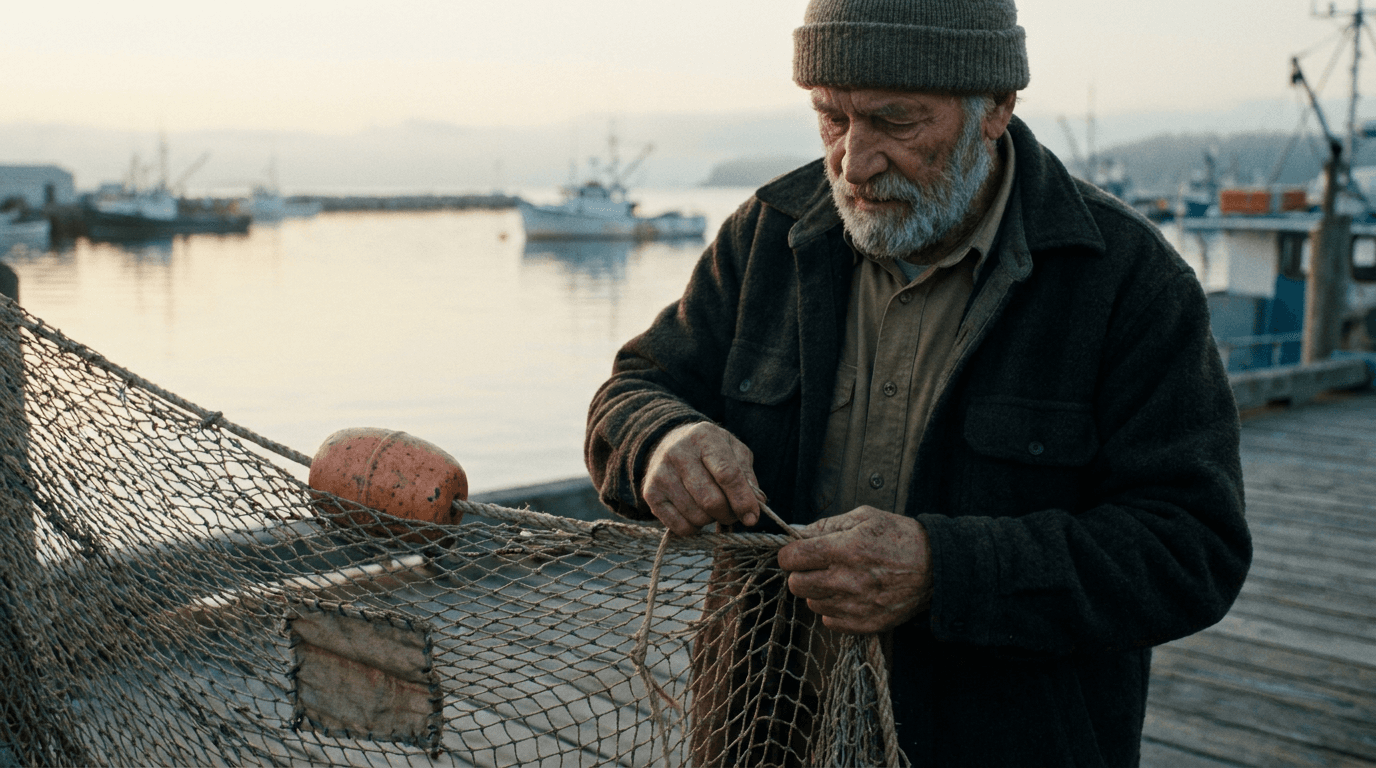
“Use this image as the opening composition.”
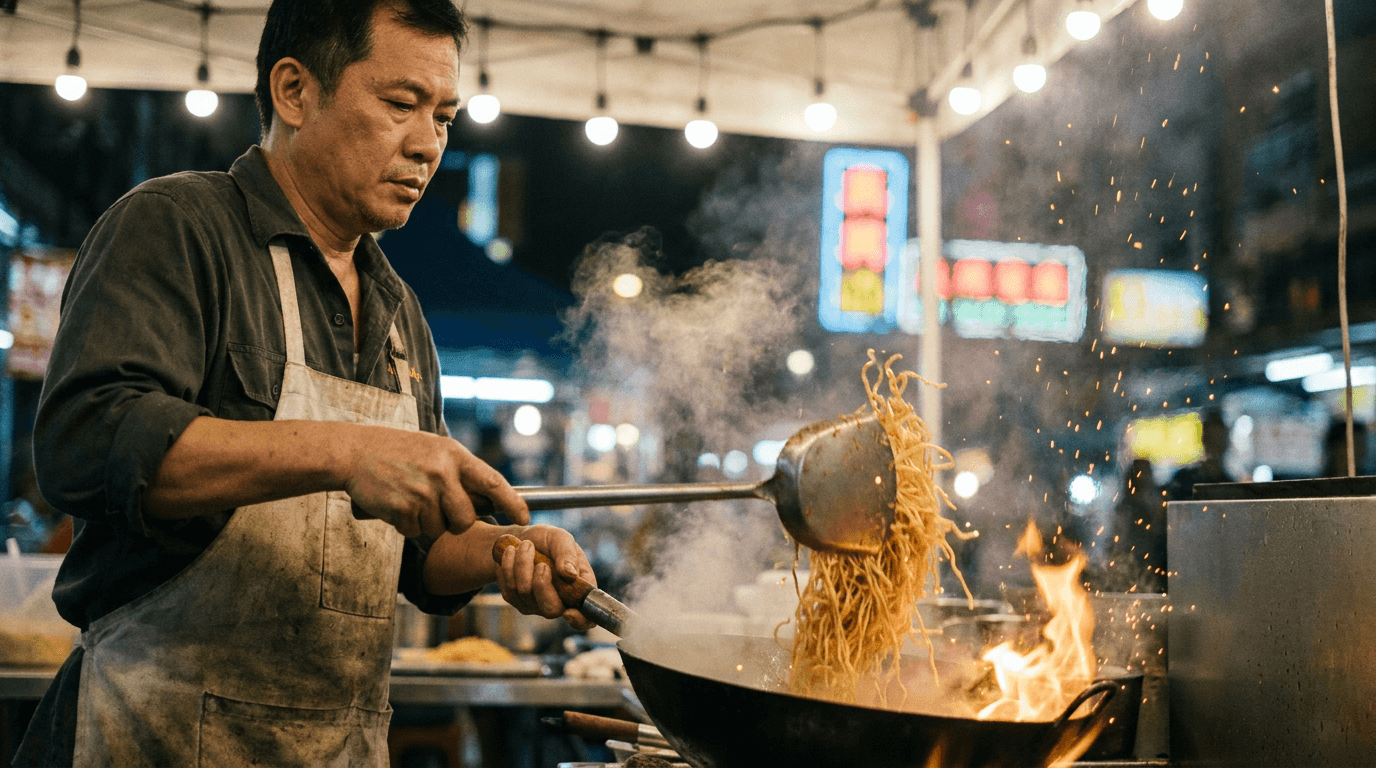
“Set the scene as a still before describing its motion.”
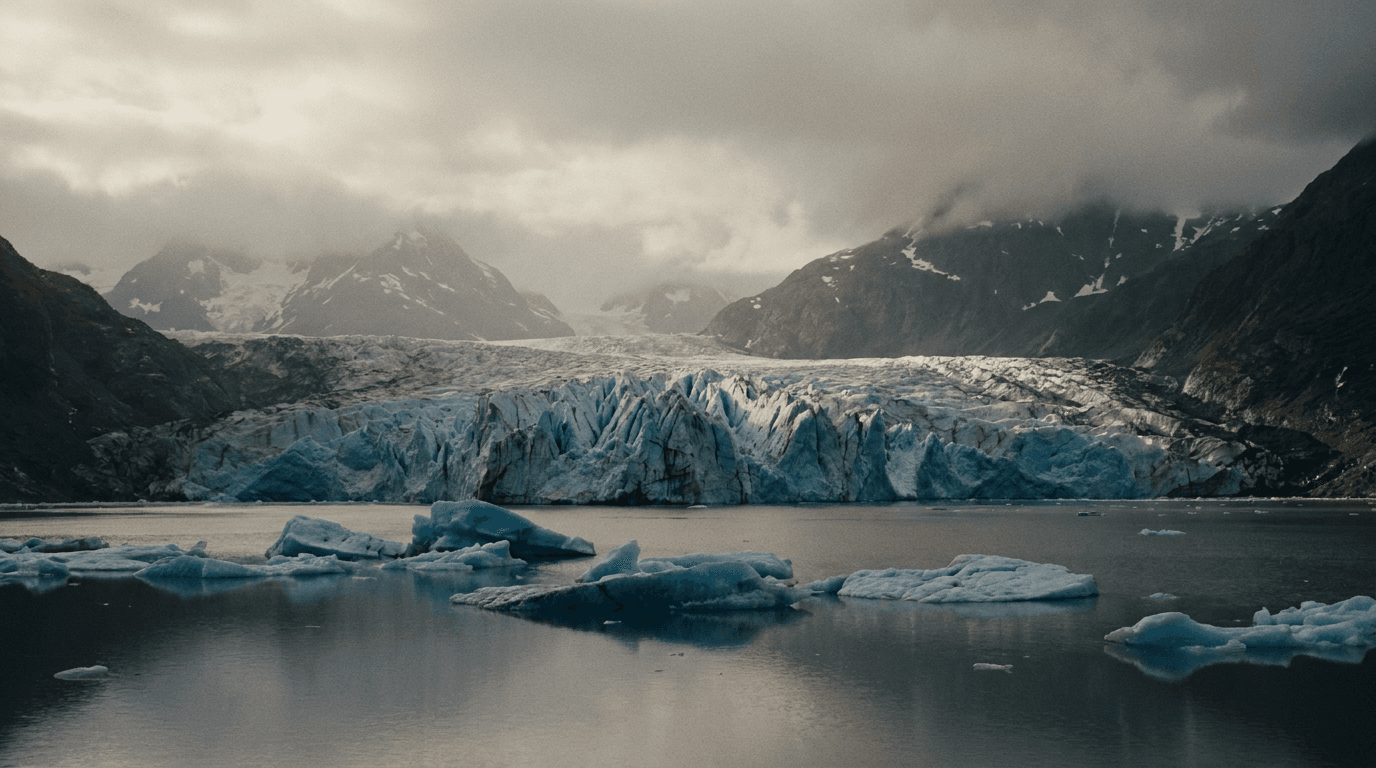
“Plan the shot as a still, then hand the motion to the model.”
Write a prompt on its own, or add a start image (and optionally an end frame) to anchor the clip.
O3 rewards physically plausible direction: name the movement, speed, and camera path plainly.
Pick 16:9, 9:16, or 1:1 for text-to-video, a duration between 3 and 15 seconds, and turn audio on if the scene needs it.
Lock the motion with Kling O3 Pro first, then render the final take here.
Iteration is cheap here: Kling O3 4K costs 42 credits / second, so rewriting a prompt and rerunning it is a normal part of the workflow, not a budget decision. See the full Kling O3 4K pricing breakdown.
It is Kling AI’s realism-focused O3 model rendering natively at 3840×2160, instead of generating at a lower resolution and upscaling.
More tested prompts across all models live in the prompt library, and the full Kling O3 4K capability rundown is on the model page.