The workflow
Pick the photo
Use one photo of one subject: you, a friend who agreed, or your pet. A sharp photo with the face large and in clear light carries over best, and a photo with some space above the head gives the poster room, because the poster can crop in tighter than the photo. A made-up person is fine too, and has no one to ask for permission.
Upload it
Open Movie Poster Maker and tap “Upload image” (on a phone, Upload), or paste the picture from your clipboard. It takes one JPG, PNG or WebP up to 20 MB, and an iPhone HEIC photo is converted for you. A photo over 1,536 pixels on its long side is scaled down before the edit.
Describe the film
Type in the Prompt box. Say what kind of film it is, the light, and the place behind you. Make up a title, put it in quotes, and ask for no other text on the poster. Then say what must stay the same, such as your face and hair. Under Try there are three starting points: Thriller, Sci-fi and Romance. With the box empty, the tool sends “Turn this photo into a movie poster.” Keep your sentence: you will reuse it for the next poster.
Check the price and generate
Generate shows the price. If you aren’t signed in, you sign in first, and your photo and prompt wait for you. Before the run starts, the price is confirmed again; if it came out higher than the button showed, nothing runs until you press Generate again. While it works the button reads “Making it…”, and the poster appears under Generations when it is done.
Proofread and compare
Put the poster next to the photo. Read the title letter by letter, then look at the face, the hair, anything you wear, and the edges. Check that no other words appeared anywhere. If a letter is wrong or the likeness slipped, run it again from the original photo with the same sentence.
Recorded Made demonstration
A portrait of a woman, as a poster for a made-up film
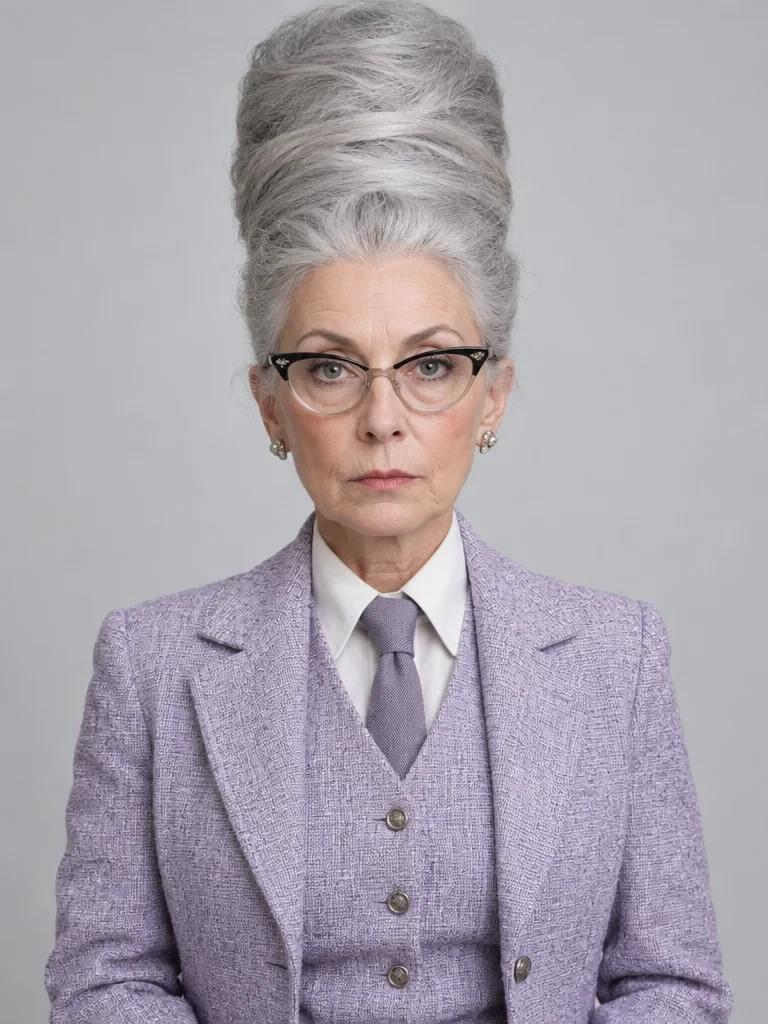
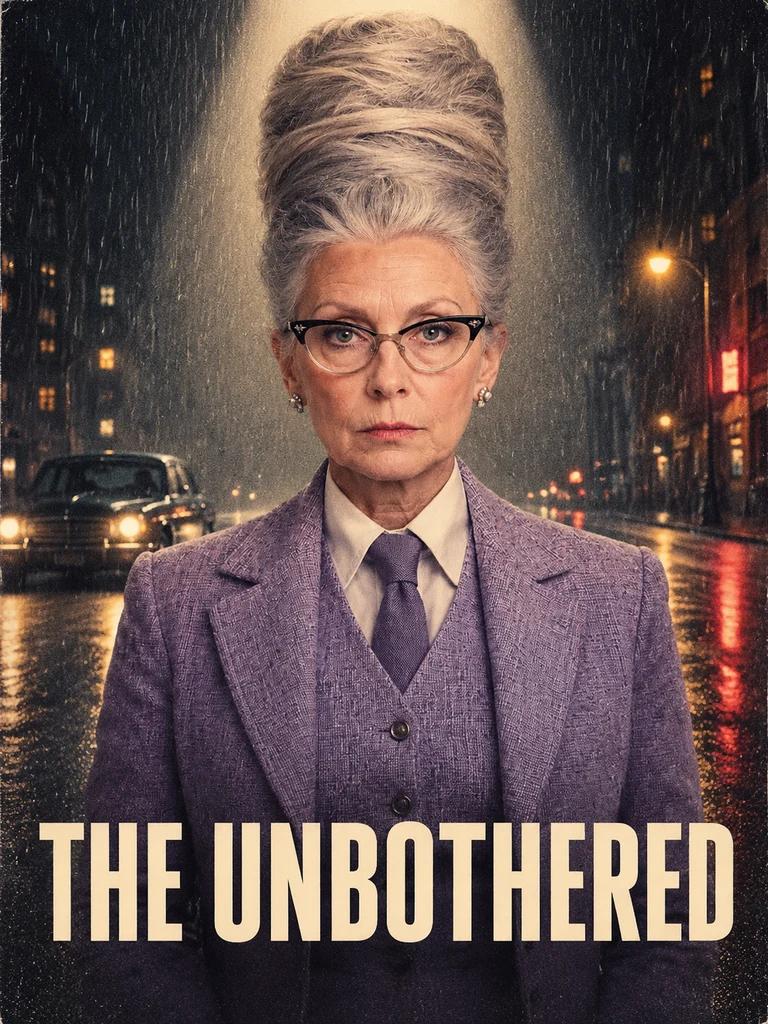
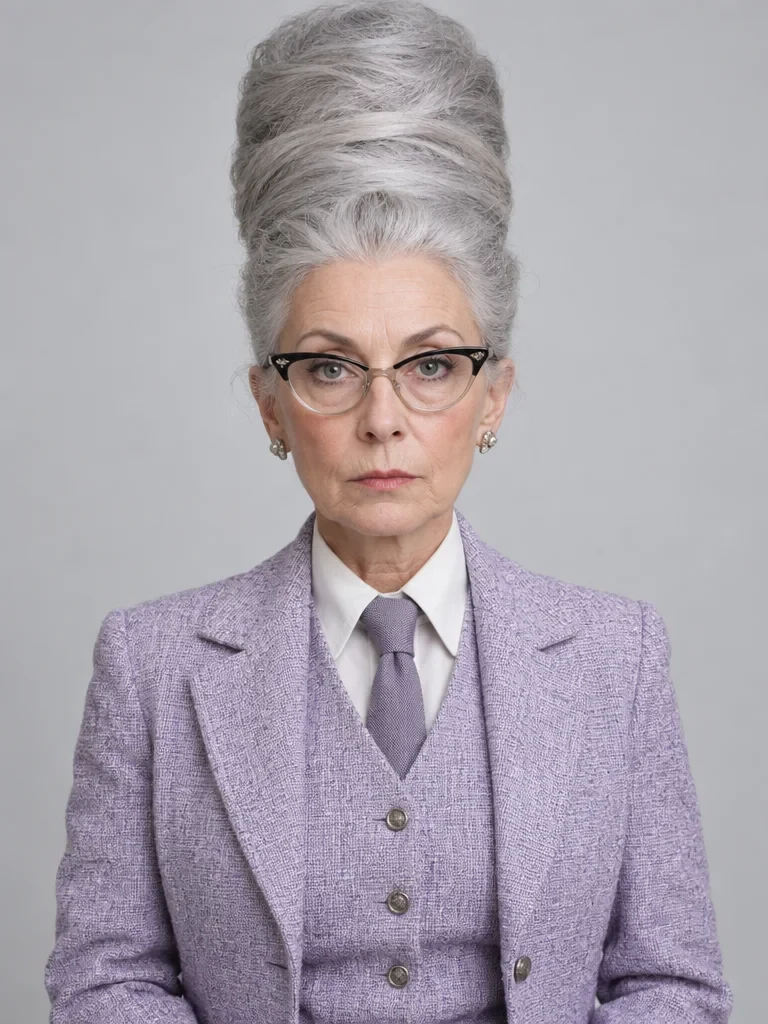
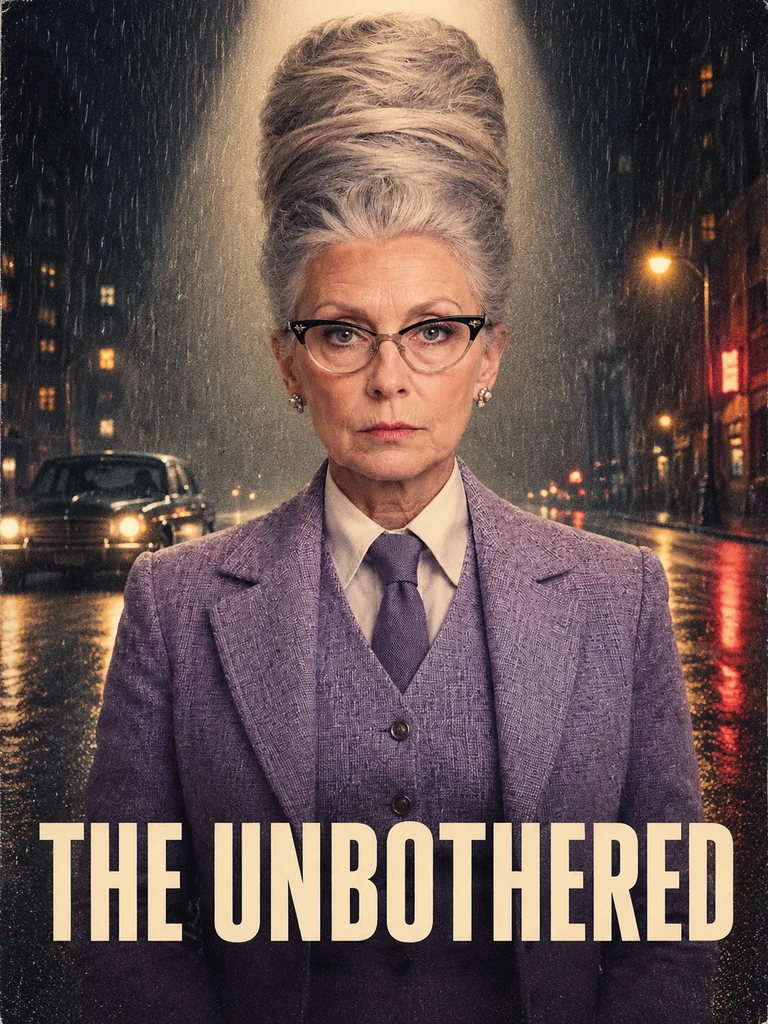
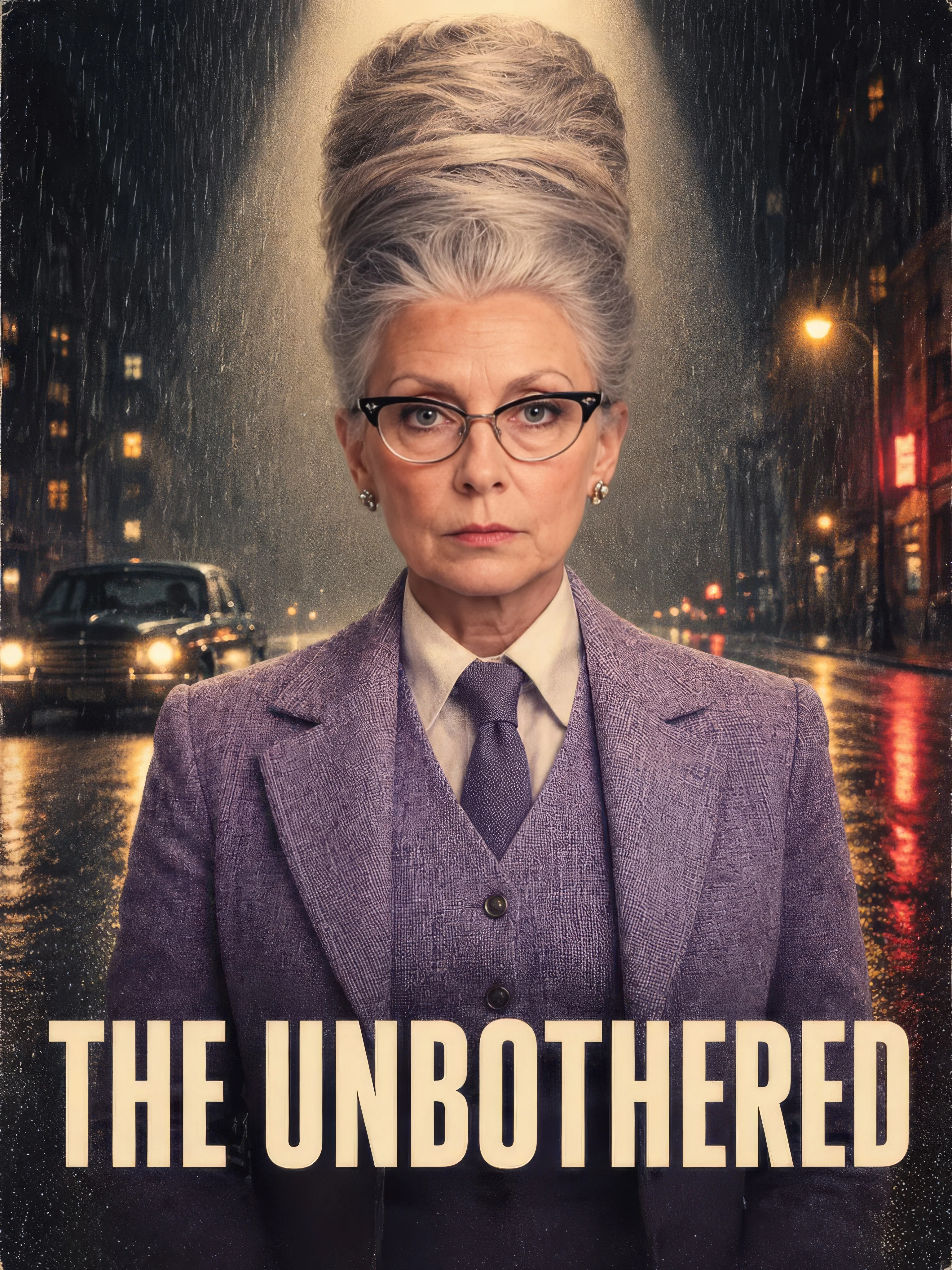
This is a real Movie Poster Maker run from November 22, 2026. The photo is Odile, an AI-generated woman from Made’s AI Influencer examples, not a real person: a waist-up portrait on a plain gray backdrop, serious, with a tall silver beehive, cat-eye glasses, earrings and a lavender tweed three-piece suit with a tie. The film and its title are made up. The prompt is the one shown below, and the request is exactly what the tool sends for that photo and prompt, sent through Made’s API from a script rather than clicked through the browser. The poster came back at 768 × 1024 pixels, the photo’s own shape. I looked at it next to the photo: her face, the beehive, the glasses, the earrings, the suit and the tie are the same. She stands under a spotlight on a rainy night street with a car’s headlights behind her left shoulder, with visible grain and slightly scuffed edges. The title reads THE UNBOTHERED, spelled correctly, in one line of capitals across the bottom, and no other text appears anywhere. Weak points: the title covers the lower part of her suit, the top of the beehive nearly touches the top edge, and the poster is 3:4, wider than the 2:3 of many printed film posters. It is one run, not a measure of how often the lettering comes out right.
GPT Image 2.5 Flare (Movie Poster Maker) · Generated · View the example record and price basis (JSON)
Do it again: a second poster for the same film
Movie Poster Maker takes one photo and the words in the Prompt box for each poster, so a set comes from the words: keep the style sentence and change only who it is. Every poster is its own run from its own photo. Then take a poster further: a finished poster can go straight into the Image Upscaler for a print, or into the video generator for a teaser, from your Assets.
The same style for the next photo
Copy the sentence you typed, change “me” to who the next poster is (“my co-star”, “my friend”) and what must stay the same, and upload the next photo. Leave the style words and the title exactly as they were. The second example below is exactly this.
A cast, a character poster for each
The tool takes one photo per poster, so a film with three leads is three runs: same sentence, new photo. Look at the posters side by side before you post the set, because the lettering and the light can differ from poster to poster.
The real words, afterwards
Keep the printed words short: one title and nothing else. If you need a cast list, dates or a tagline, set them in a design tool after the poster, where you control every letter. The tool can render text, but spelling is unreliable.
Recorded Made demonstration
A second person, the same film, then the first poster upscaled for print
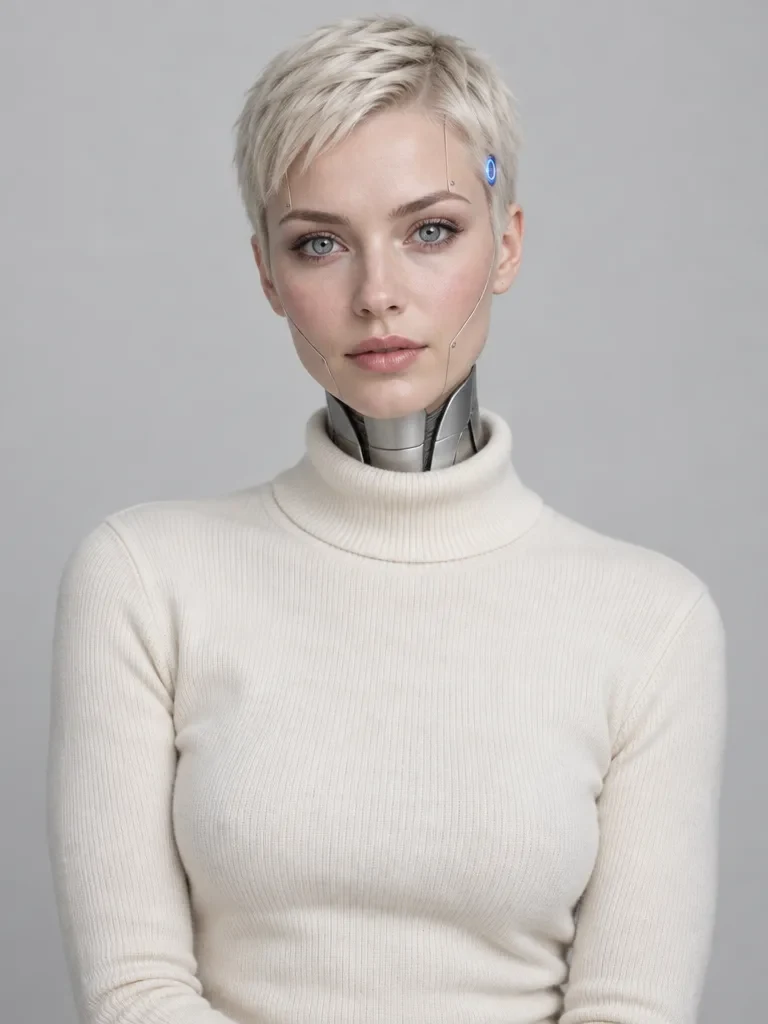
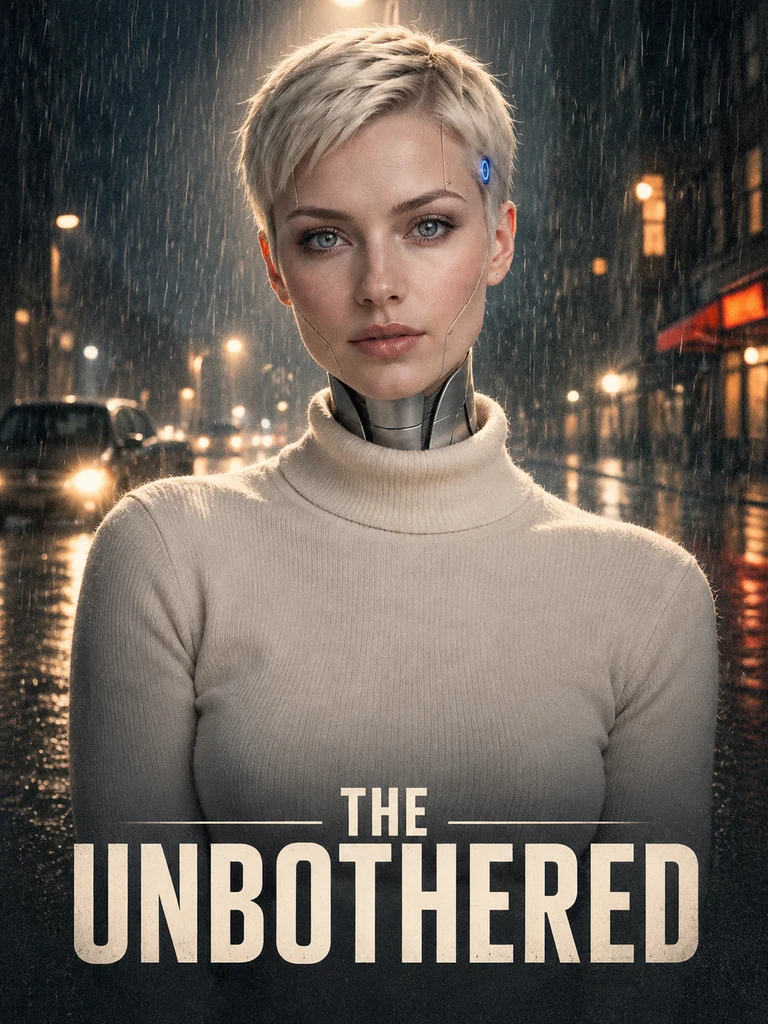
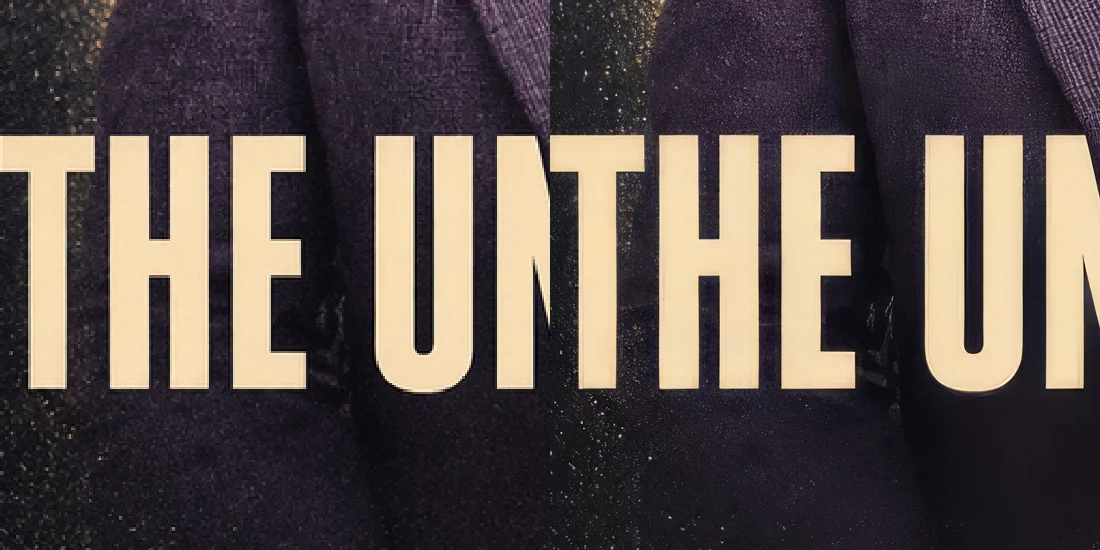
These are real runs from November 22, 2026. The photo is Nova, another AI-generated woman from Made’s AI Influencer examples, not a real person: a waist-up portrait with a short platinum pixie cut, metal neck plates, a small blue light at her temple and a cream turtleneck, 768 × 1024 pixels like the first photo. The prompt is the first poster’s sentence word for word with only who it is changed (“my co-star”, “everything they wear”); it is under Prompts below. The poster came back with her face, hair, neck plates, blue light and turtleneck kept, and the same rainy night street, the same car with its headlights on and the same grain as the first poster, again with the title THE UNBOTHERED spelled correctly and no other text. It isn’t a copy of the first poster: there is no visible spotlight, and the title is set differently, with THE small above UNBOTHERED and a thin line on each side, where the first poster has one line. Then the first poster went to the Image Upscaler, the way Assets → Use in another tool → Upscale sends it, with the request the Upscaler builds for that poster, again sent from a script. It opened on Standard, Scale 4× and Face recovery on, with Format JPG, and I changed none of them. The upscale came back at 3,072 × 4,096 pixels with the same layout, face and lettering. Zoomed in on the same spot of the title, the letter edges are cleaner and straighter, but the film grain and the weave of the suit are smoothed, so the poster looks a little glossier than the original, and nothing new was added. One run of each, not a measure of how often a set matches.
GPT Image 2.5 Flare (Movie Poster Maker), then Topaz Image Upscale (Image Upscaler, 4×) · Generated · View both example records (JSON)
What creators make next
Make the poster print-ready
Image Upscaler
The poster comes back at 768 × 1024, small for a wall. In Assets, open the poster, tap Use in another tool, then Upscale: the Image Upscaler opens with it loaded. It takes a JPG, PNG or WebP up to 30 MB and makes it 2× or 4× larger, opening on 4× for a small image, with a Mode menu (Standard, Low-res rescue, High fidelity, Text & logos, Art & CGI), Face recovery and a JPG or PNG format. A result can be up to 16,384 pixels on a side and 100 megapixels. The example’s 3,072 × 4,096 file is about 10 × 13 inches at 300 dots per inch. Check the lettering at full size before you order a print, and note that a 24 × 36 inch poster is 2:3, a taller shape than the poster’s 3:4.
Make a teaser from the poster
AI Video Generator
In Assets, open the poster, tap Use in another tool, then Animate: the video generator opens with the poster as the start frame, on Veo 3.1 Lite with a stock prompt, in a 9:16 frame for a portrait poster. The model makes clips of 4, 6 or 8 seconds. Check the Model menu and type your own prompt, such as a slow push-in with rain. This wasn’t run for this guide, so look at the result before you post it, and look at the title in particular: lettering can change shape when it moves.
Make the person first
AI Influencer
No photo of yourself you want to use, or a lead for a brand’s film? Make a person in the AI Influencer studio and use the portrait as the poster’s photo. Odile and Nova, in the examples, are two of the studio’s example people.
Prompts you can inspect and adapt
Prompt recipe to adapt
Your poster, your film
Turn [me / my co-star] into a movie poster for a [deadpan crime comedy]: the person large and centered under a [hard spotlight], a [rainy city street at night] behind them, visible film grain, and the title “[YOUR TITLE]” in big clean capital letters across the bottom, with no other text anywhere on the poster. Keep [my face, hair and glasses] exactly as in the photo.Fill in the brackets. Keep the style words and the title the same for every poster in a set and change only who it is. Only the two sentences below were run for this guide, so check what your own wording does.
Recorded generation prompt
What was typed for the first poster
Turn me into a movie poster for a deadpan crime comedy: the person large and centered under a hard spotlight, a rainy city street at night behind them, visible film grain, and the title “THE UNBOTHERED” in big clean capital letters across the bottom, with no other text anywhere on the poster. Keep my face, hair and glasses exactly as in the photo.Movie Poster Maker sends your words as you type them, with your photo. It adds nothing of its own.
Prompt typed for the second poster
What was typed for the second poster
Turn my co-star into a movie poster for a deadpan crime comedy: the person large and centered under a hard spotlight, a rainy city street at night behind them, visible film grain, and the title “THE UNBOTHERED” in big clean capital letters across the bottom, with no other text anywhere on the poster. Keep their face, hair and everything they wear exactly as in the photo.The first poster’s sentence with only who it is changed. The photo is the second example’s.
How a poster is priced
Per poster: one photo and one prompt make one poster each time you press Generate. The total appears on Generate before you run it.
The tool always runs GPT Image 2.5 Flare at low quality with one photo, and at that setting every picture size it makes costs the same, so your photo’s shape doesn’t change the price. The Image Upscaler and the video generator are priced separately, by the size of the file or the length of the clip.
Price source: Movie Poster Maker · Checked
Each new try is priced again. Before a run starts, the price is checked; if it came out higher than the button showed, it stops and asks you to press Generate again. If the provider it was priced on fails, a backup provider can take the run at its own price, which can be higher. A run that fails isn’t charged.
What to review before you use the result
| What you see | What to try |
|---|---|
| The title is misspelled or has a wrong letter | The tool can draw letters, but spelling is unreliable. Keep the title short, put it in quotes, ask for no other text, and read it letter by letter. If a letter is wrong, run it again from the original photo with the same sentence, or leave the title off and set it in a design tool afterwards. Both posters in the example came out spelled correctly, which is two runs, not a promise. |
| Extra words appeared on the poster | Posters often come with invented taglines and credits. Ask for “no other text anywhere on the poster”, as the example does, and check the edges and the bottom of the poster. If words still appear, run it again or remove them in an editor. |
| The poster doesn’t look like me or my pet | A strong style can pull a face away from the photo. Start from a sharp photo with the face large and in clear light, say what must stay the same (“my face, hair and glasses”), and run it again from the original: each run is a little different. |
| The second poster doesn’t match the first | Use the first poster’s style sentence and title word for word and change only who it is. Even then, details such as the light and how the title is set can differ, as they did here. Name the details you care about in the sentence and compare the posters side by side before you post the set. |
| The poster crops my head or my hands | The poster follows your photo’s shape and can frame the person tighter than the photo. Use a photo with space above the head, and say how much of the person to show. The example’s beehive nearly touches the top edge. |
| It isn’t the shape of a printed film poster | The poster follows your photo’s shape: the closest of the tool’s sizes, 3:4 for the example, not the 2:3 of a 24 × 36 inch poster. A print service will trim a little off the sides or ask for the shape you need. Keep the title away from the edges. |
| It isn’t sharp enough for a big print | The poster is 768 × 1024 pixels for a 3:4 photo. For a wall-size print, send it to the Image Upscaler from Assets with Use in another tool, then Upscale, and look at it zoomed in before you order. The upscale smoothed the grain in the example. |
| Use a JPG, PNG, or WebP image of up to 20 MB | Save or export the photo in one of those formats, or make the file smaller. HEIC photos from an iPhone are converted for you. |
Questions about this workflow
How do I make a movie poster with my own photo using AI?
Movie Poster Maker is an AI poster generator from a picture: open it, upload one photo, and describe the film in the Prompt box: the kind of film, the light, the place behind you and a title in quotes. Generate, then check the face and every letter of the title. The example on this page is one photo and one sentence.
Can I put myself on a film poster?
Yes. The poster is built from your photo, so your face carries over. In the example the face, hair, glasses and suit matched the photo. A strong restyle can drift, so compare the poster with your photo and run it again from the original if the likeness slipped.
Will the title be spelled right?
Not always. The tool draws the letters, and spelling is unreliable. Keep the title short, put it in quotes, ask for no other text, and read it back. In the example both posters came out spelled right, which is two runs. If you need exact words, set them in a design tool afterwards.
How do I make a set of posters for the same film?
Run one photo per poster with the same style sentence and title, changing only who it is. The second example kept the rainy street, the car and the grain, but dropped the spotlight and set the title differently, so line the posters up and check the set before you post it.
Can I make a poster that looks like one from a real film?
No. Don’t ask for the title, characters, studio logos, actors or layout of an existing film: it risks infringement, especially on anything you print or sell. Describe your own film, as in the example, and use photos of yourself, your friends who agreed and your pets.
Can I print it as a poster?
The poster comes back at 768 × 1024 for a 3:4 photo, so upscale it first from Assets with Use in another tool, then Upscale, and check the lettering at full size. A 24 × 36 inch poster is 2:3, so a print service will trim or ask you for the shape.
Do I need to sign in?
Yes, to generate. You can upload the photo and type the prompt first; if you sign in from Generate, the tool keeps them.
Work with Claude and Made
Movie Poster Maker runs in the tool. With the Made connector in Claude, you can ask for the same edit: Claude can find GPT Image 2.5 Flare in Made’s catalog, take your photo as the image to edit, quote the price and generate, if your client offers a way to upload.
Conversation starter
Ask your assistant
Use Made to turn my attached photo into a movie poster for a deadpan crime comedy: me large and centered under a hard spotlight, a rainy city street at night behind me, visible film grain, and the title “THE UNBOTHERED” in big clean capital letters across the bottom, with no other text anywhere on the poster. Keep my face, hair and glasses exactly as in the photo. Use GPT Image 2.5 Flare as an image edit at low quality and the size closest to my photo’s shape. Show me the price before generating one image, then read the title back to me letter by letter.If your client doesn’t offer a way to upload, use Movie Poster Maker with the same photo and prompt.