Polaroid Photo Effect
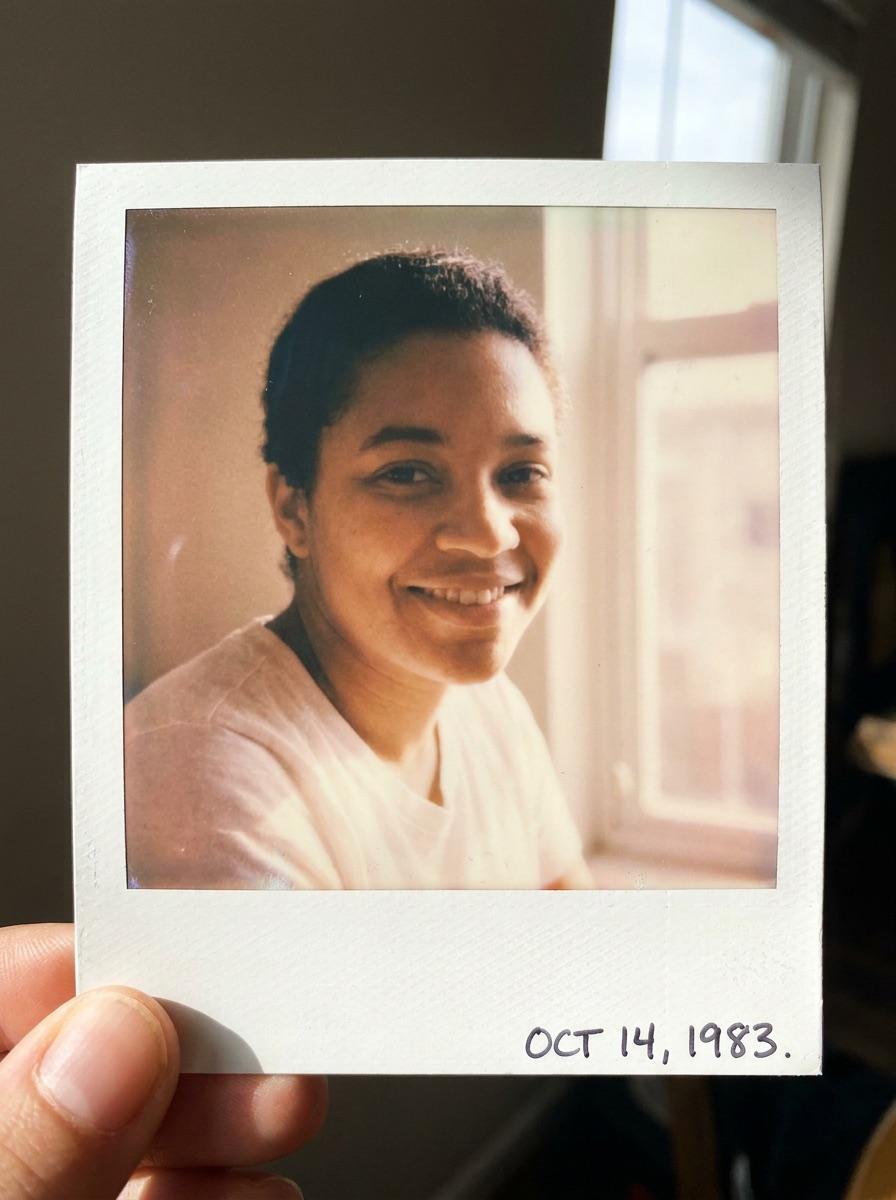
Upload a photo and Made restyles it with the character of instant film — soft faded colors, warm cast, gentle vignette, and analog texture — without changing the composition.
Runs in the tool. You sign in to run it, see the price before you start, and failed runs are refunded.
How to use Polaroid Photo Effect
- 1
Upload a photo
Anything works — the effect is strongest on photos with natural light and real moments.
- 2
Name the flavor
Warm and faded, overexposed summer, harsh party flash — instant film has moods; pick one.
- 3
Set the intensity
Style strength runs subtle to strong; the 0.7 default gives a clearly analog but natural result.
- 4
Batch the set
Apply the same description to a series so the whole set looks like one film pack.
Polaroid Photo Effect examples
Real results from Made. Use a prompt to open it in Polaroid Photo Effect, then add your own photo.
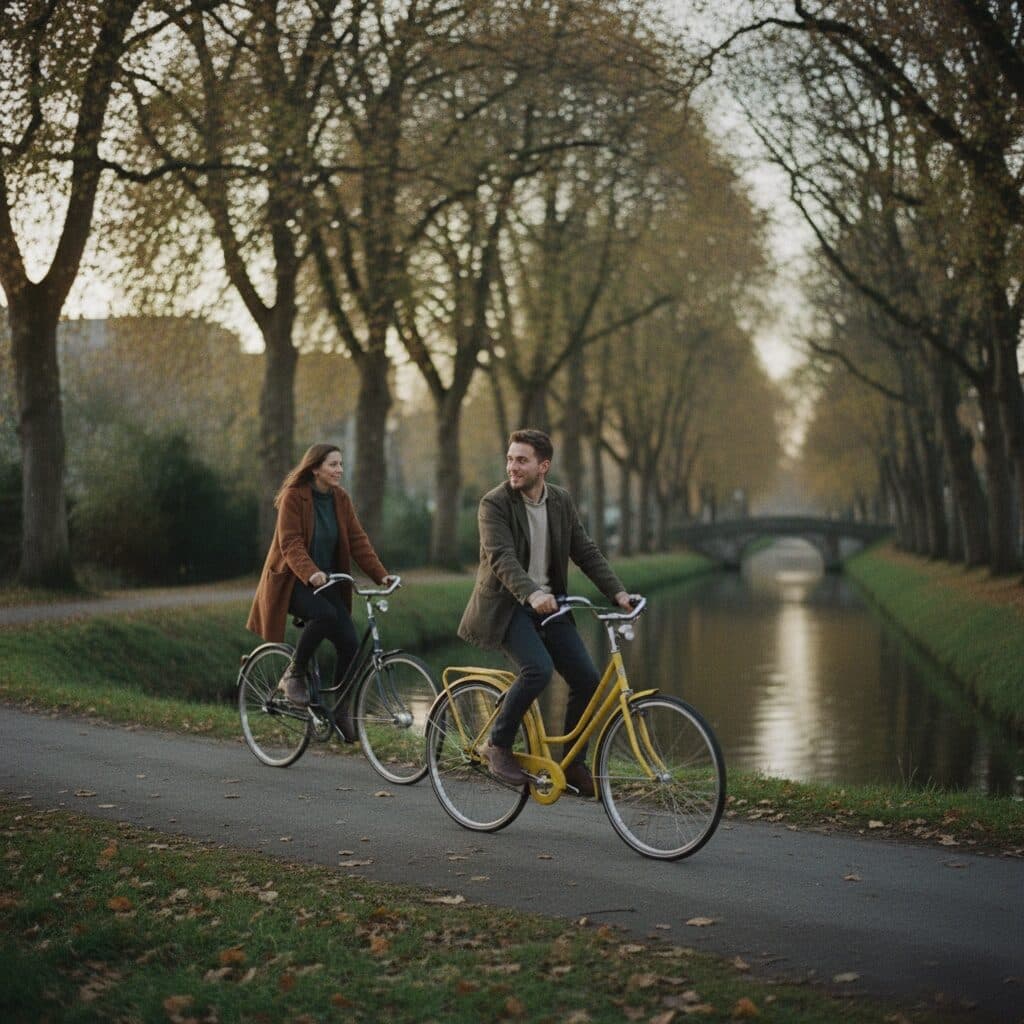
Vacation memory
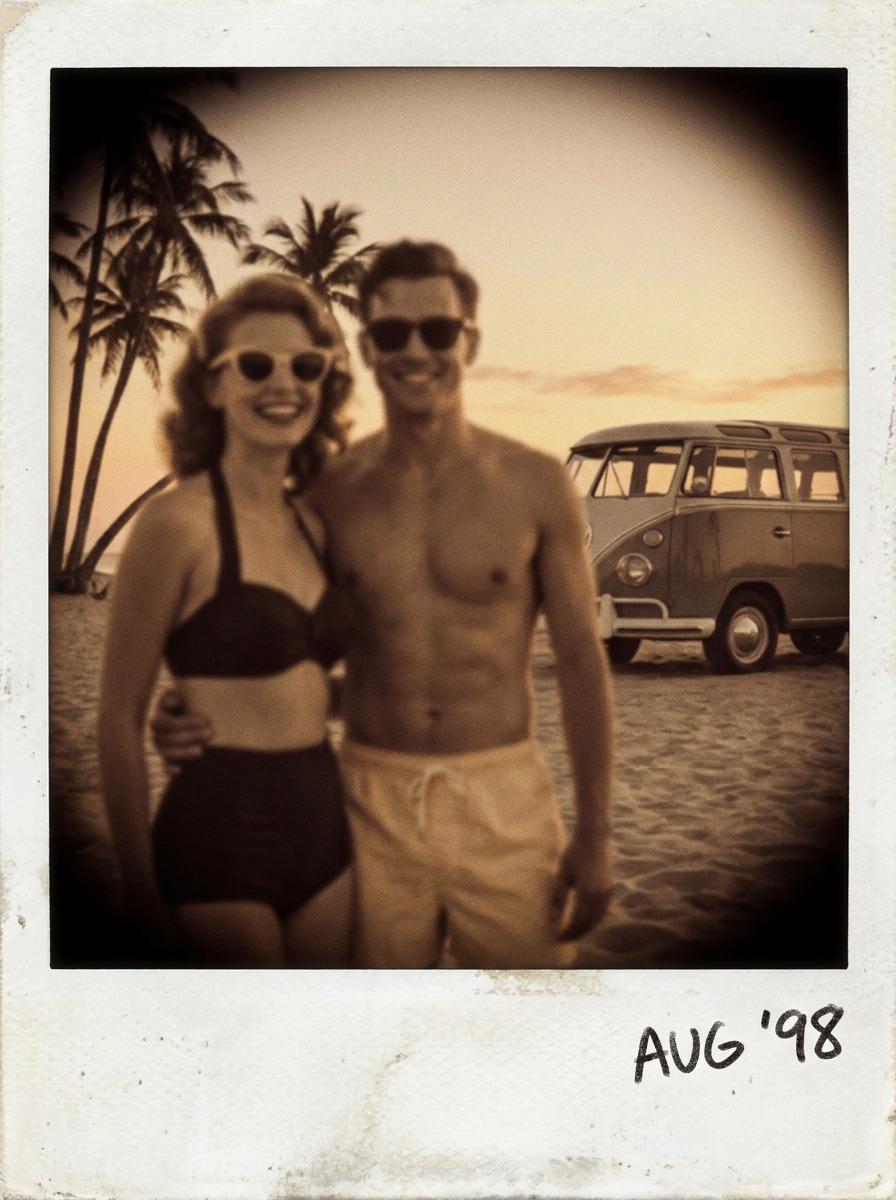
“Turn this vacation photo into a nostalgic instant-film memory, slightly overexposed.”
Use this prompt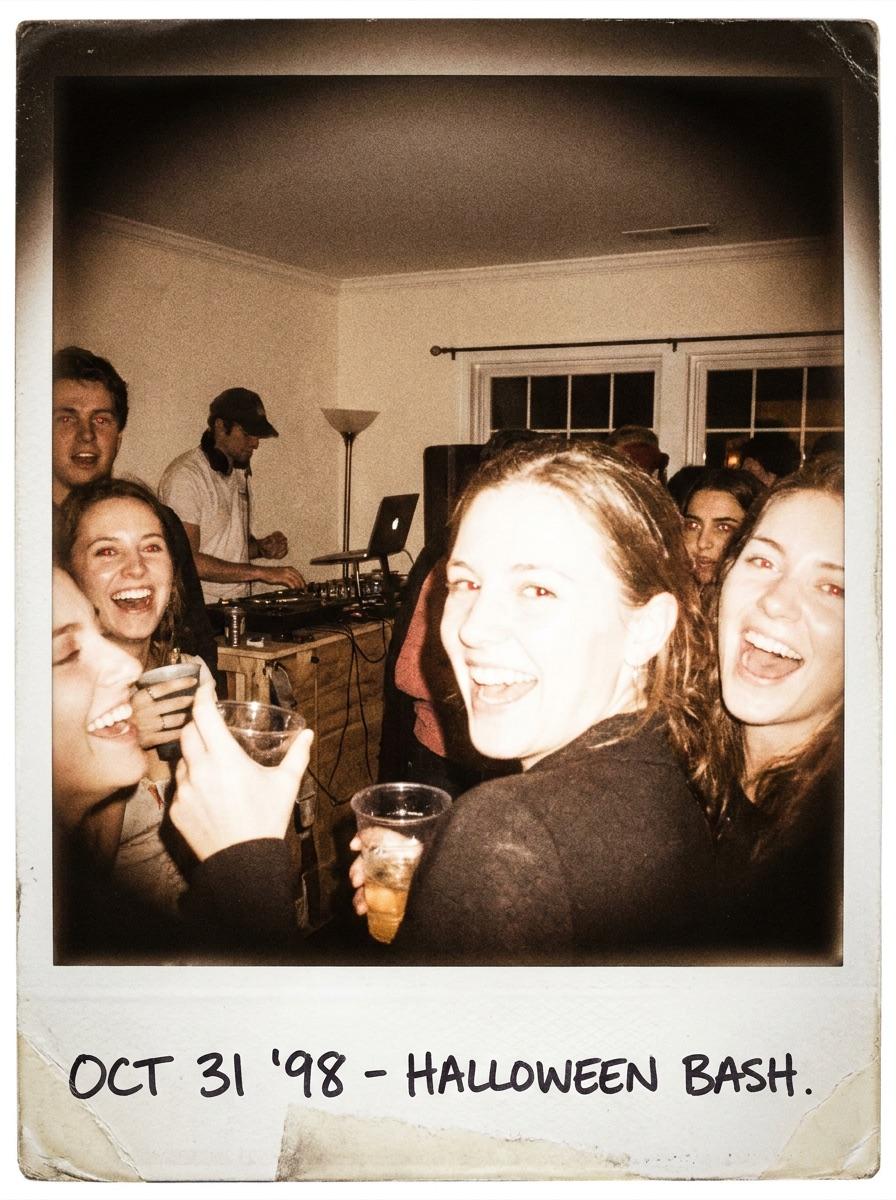
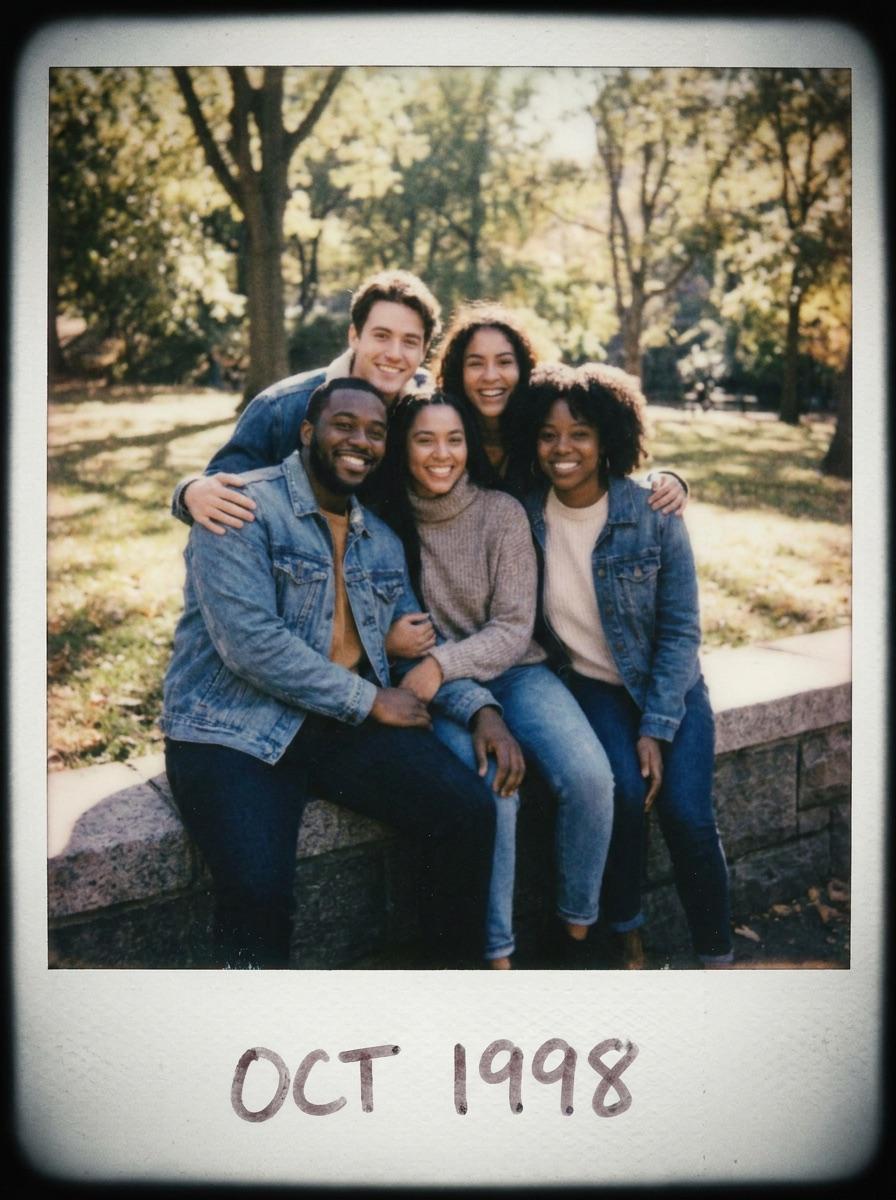
Party flash
“Give this a harsh instant-camera flash look with deep shadows and washed highlights.”
Use this prompt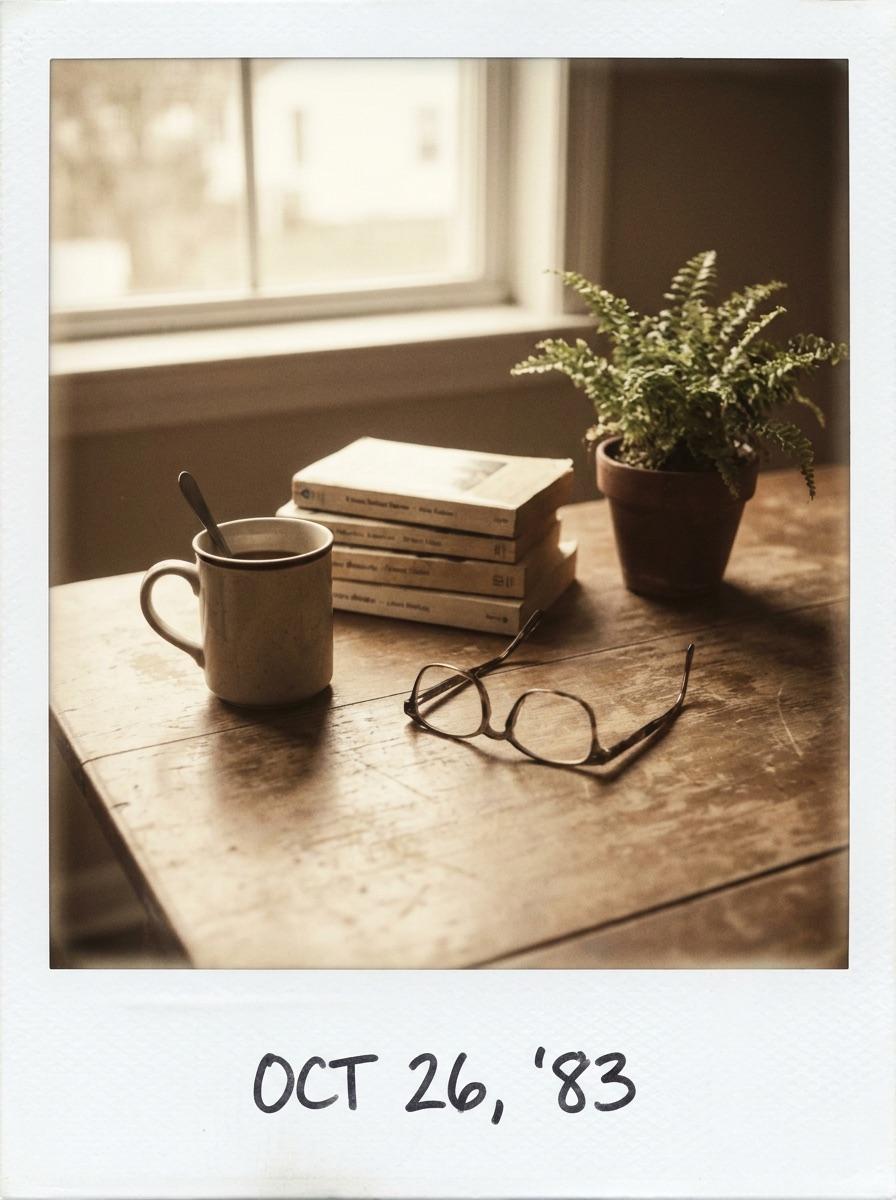
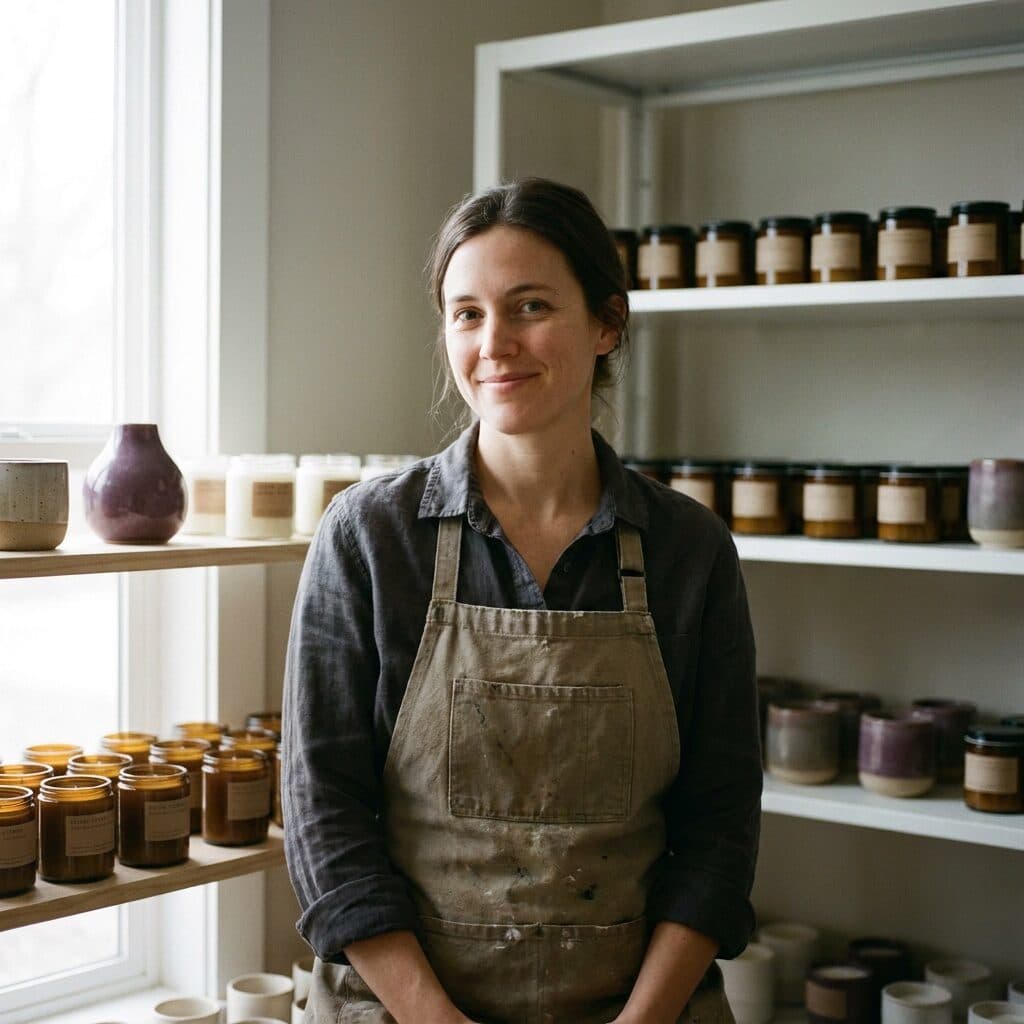
Everyday still life
“Instant-film treatment: muted colors, soft focus edges, analog grain.”
Use this prompt
What people use it for
- Feed aestheticsGive digital photos the analog warmth that reads as personal rather than produced.
- Memory walls and printsMatch new photos to the instant-film prints already on the wall or in the album.
- Event recapsA consistent instant-film treatment ties a night’s photos together like a found film pack.
- Profile and cover imagesThe soft analog look flatters portraits and stands out against crisp phone photography.
Give any photo the instant-film look
What it does
- Input
- One photo (JPEG, PNG, or WebP)
- Output
- JPG image with the instant-film treatment
- How it works
- Made prompts Google’s Nano Banana model on Replicate to restyle the whole image with an instant-film look while keeping the same composition, subjects, and layout; style intensity is adjustable from subtle (0.3) to strong (0.95), with a 0.7 default.
- Access
- Runs in the tool. You sign in to run it, see the price before you start, and failed runs are refunded.
Formats and limits
- Input formats
- JPEG, PNG, WebP
- Output format
- JPG
- Images per request
- One
- Style intensity
- Adjustable from 0.3 (subtle) to 0.95 (strong); 0.7 default
- What changes
- Color, tone, grain, and vignette — composition and subjects stay as photographed
Checked against the running tool on 2026-09-04.
Questions about Polaroid Photo Effect
What does the instant-film effect change in my photo?
The rendering, not the content: colors shift toward the warm, slightly faded instant-film palette, highlights soften, a gentle vignette appears, and fine analog grain replaces digital crispness. Your composition, people, and scene stay exactly as photographed.
Can I get the white instant-photo frame too?
The effect styles the image itself. For the classic white border, ask for it explicitly in the request — “add a white instant-photo frame” — or add a frame afterward in a design tool for exact proportions.
Which photos suit the effect best?
Candid moments, natural light, and imperfect framing — the same things real instant cameras were used for. Ultra-clean studio shots take the effect too, but the nostalgia reads strongest on photos that feel like memories.
Can I choose between different instant-film moods?
Yes — describe the flavor: warm and faded, cool and moody, overexposed beach light, or the harsh direct-flash party look. Each is a recognizable instant-film dialect the model can apply.
How strong is the effect by default?
The default intensity (0.7) is clearly analog without destroying detail. Ask for subtle if you want just a hint of fade, or strong for the fully degraded found-photo look.
Will faces stay sharp?
Yes — the treatment softens tones rather than blurring features. Instant film’s charm is in color and light, and that is what the effect reproduces.
Can I apply the same look to a whole set of photos?
Run each photo with the same description and intensity, and the set comes out looking like one pack of film. Keep the wording identical — it acts as your recipe.
More style tools
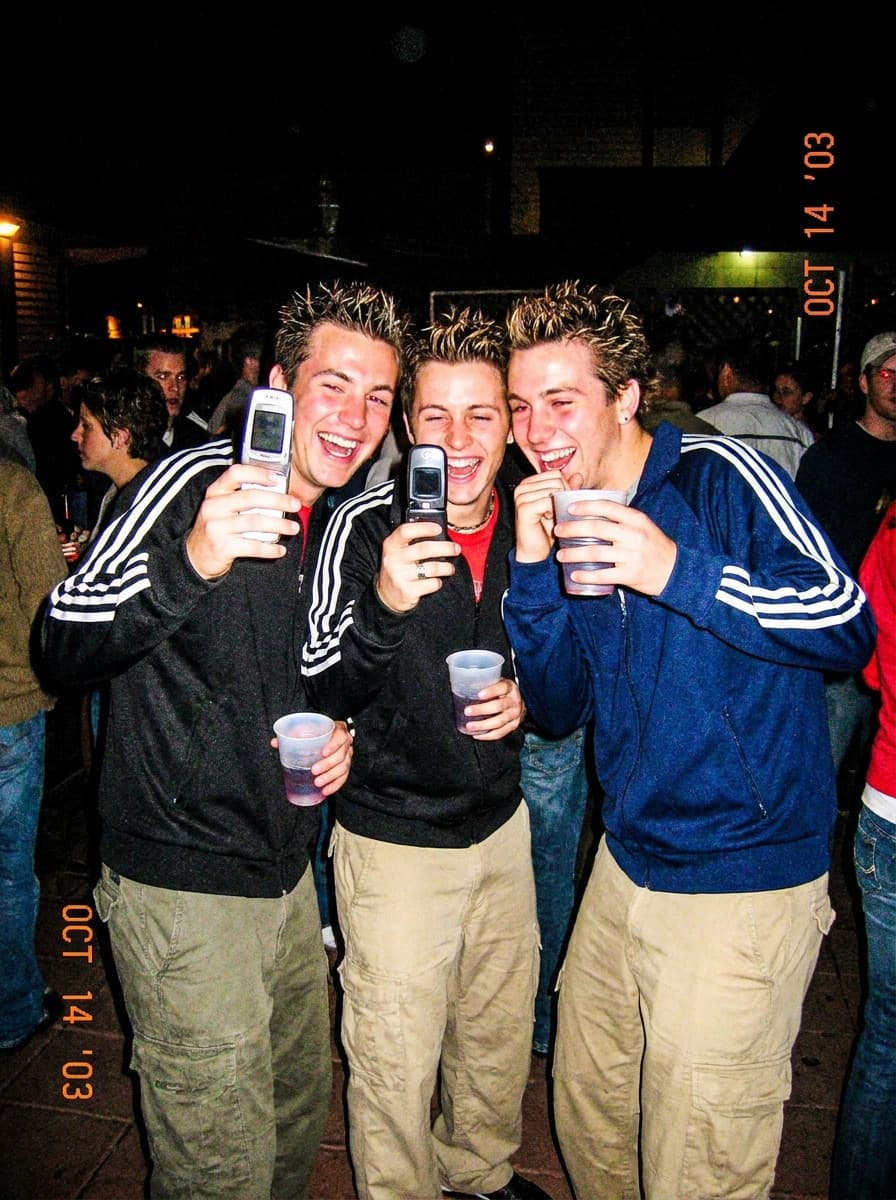
Digicam Filter
The early-2000s digicam look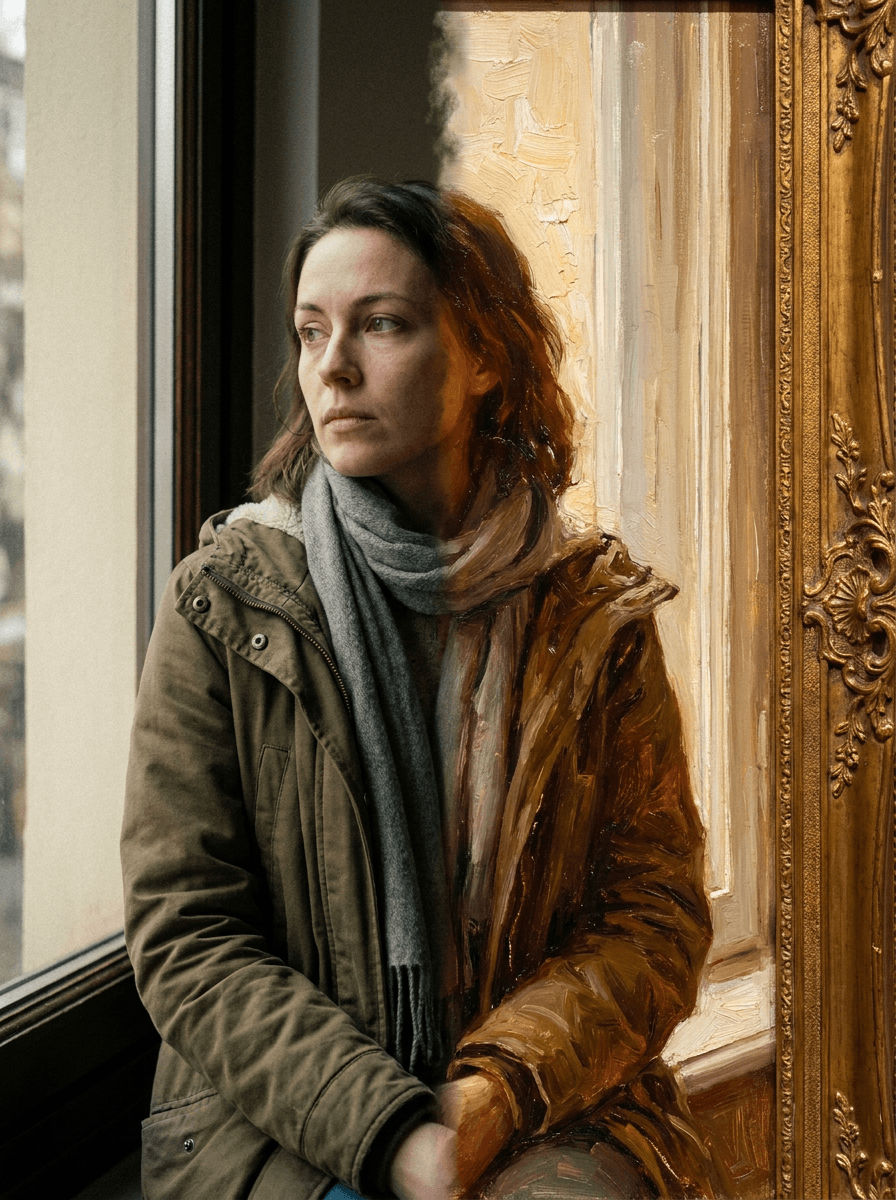
Photo to Painting
Your photo as an oil or watercolor
AI Photo Editor
Edit any photo by describing the change
 +
Outfit Swap
Try on any outfit from one photo
AI Clothes Changer
Change your outfit with a prompt
AI Hairstyle Changer
Try any haircut on your photo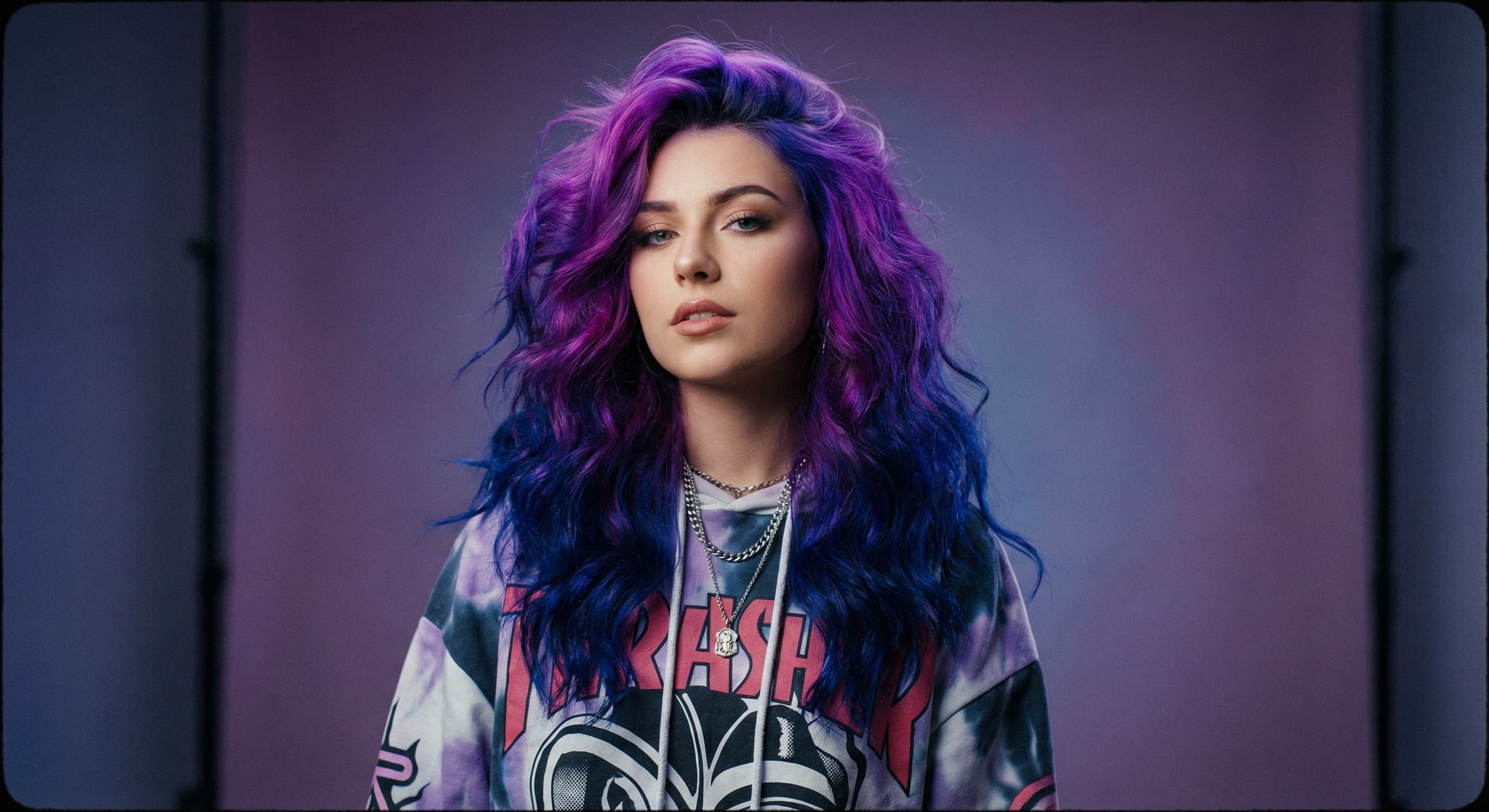
Hair Color Changer
Try any hair color on your photo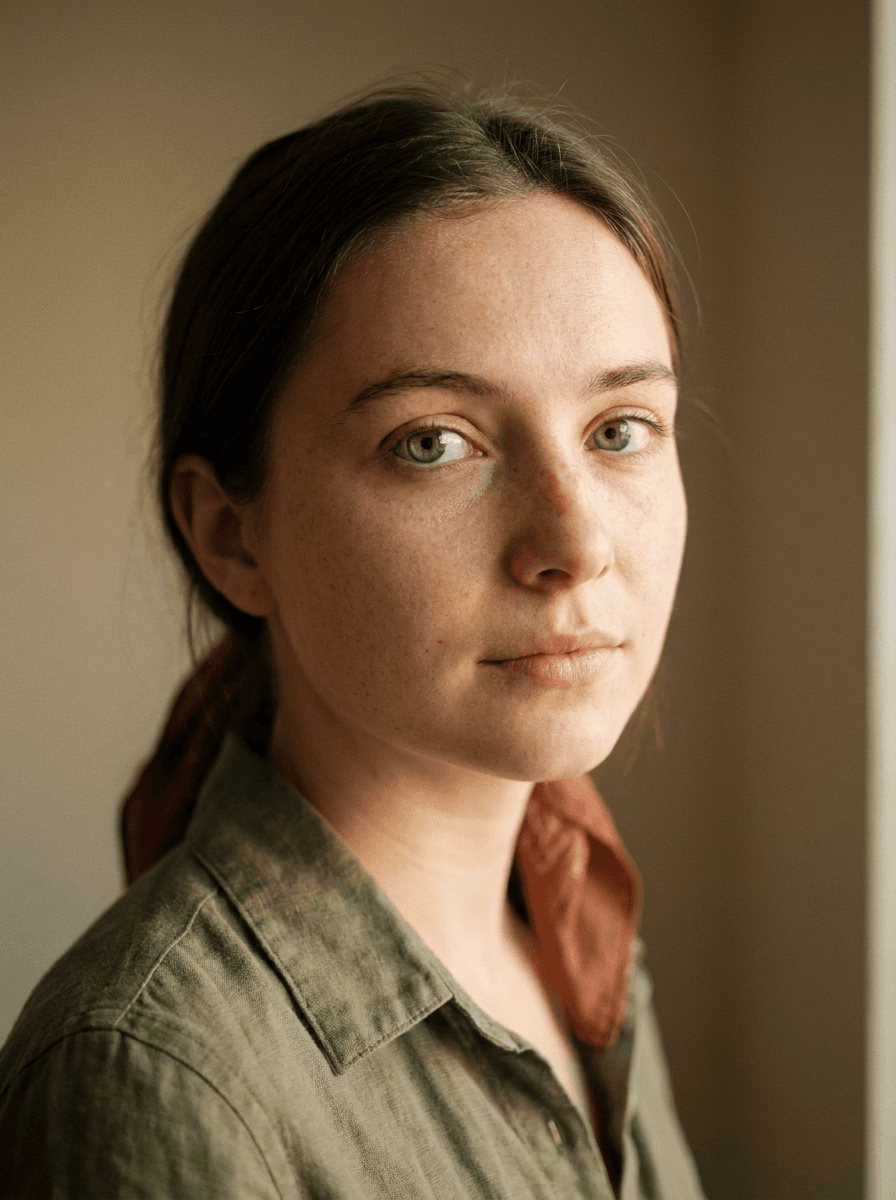
Eye Color Changer
Change eye color naturally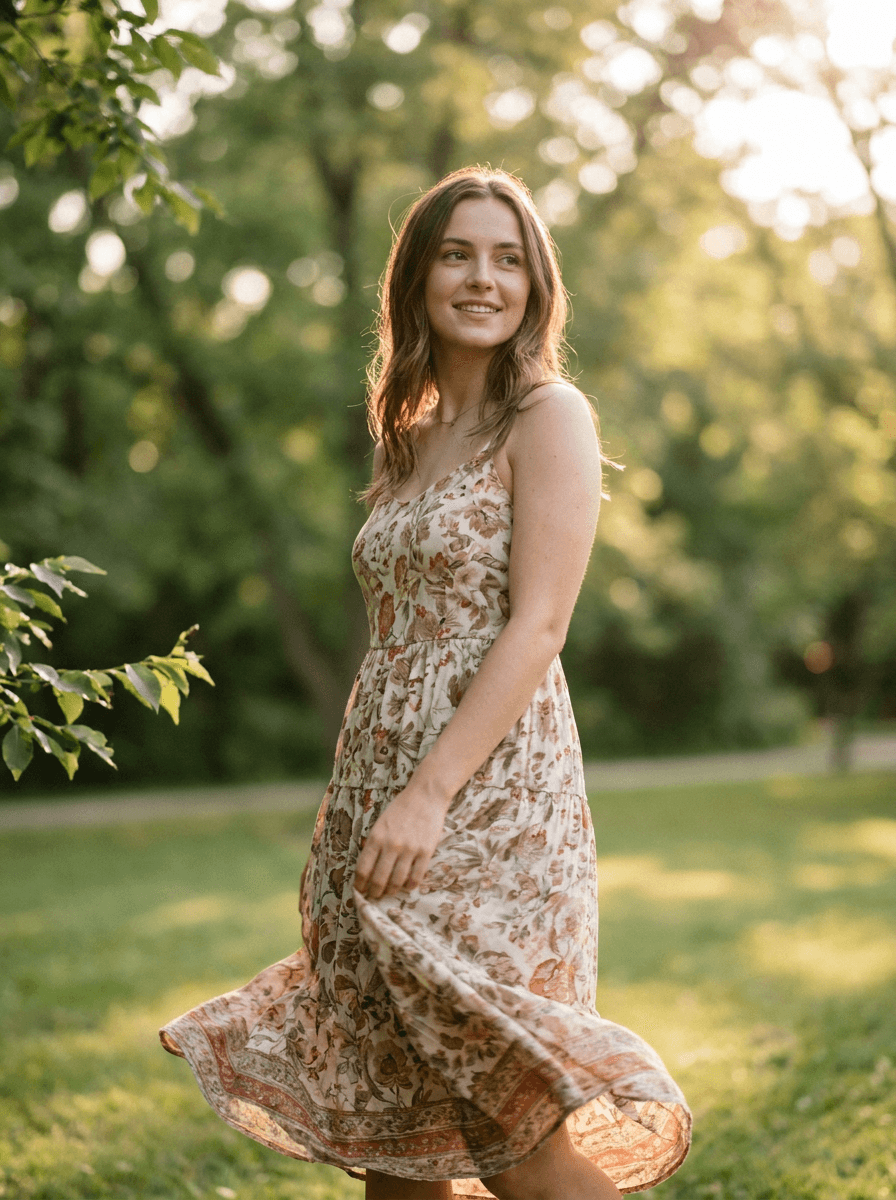
AI Stylist
Mix wardrobe pieces into a new look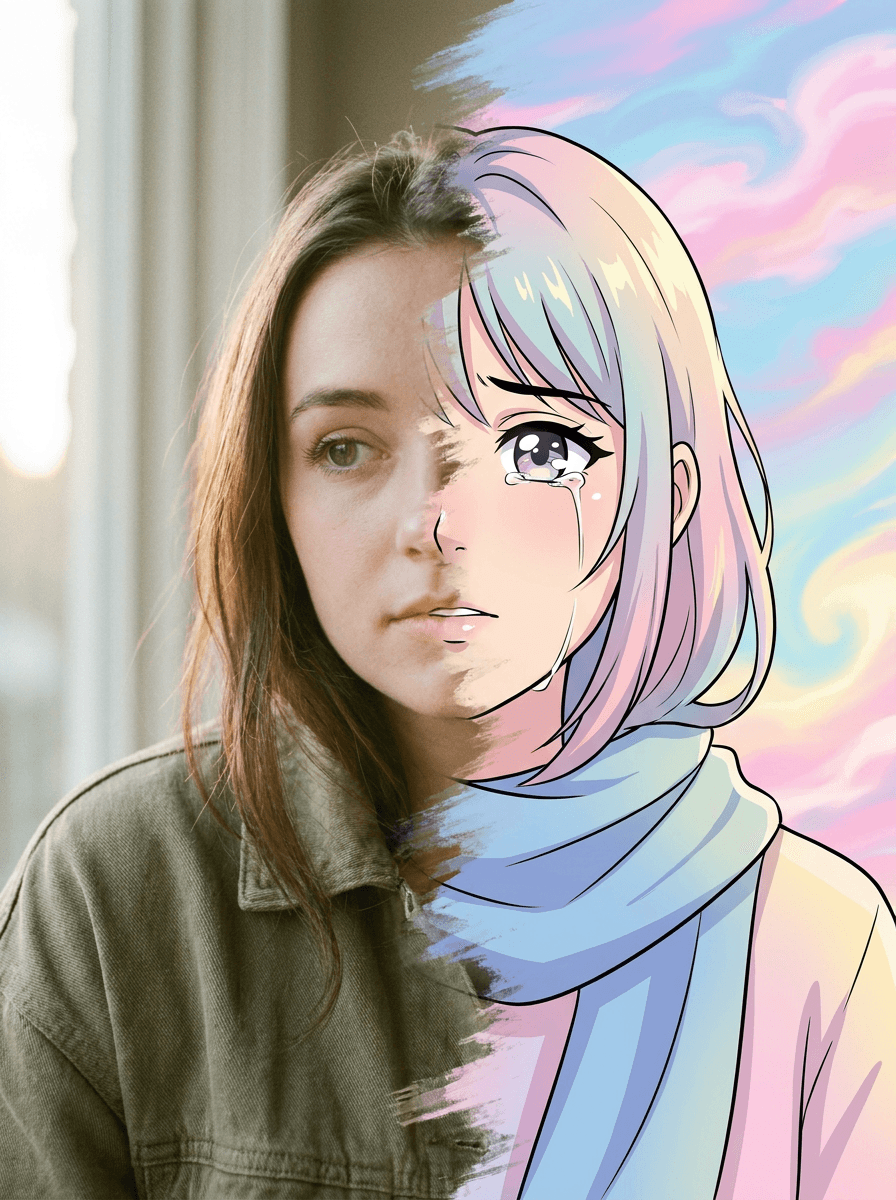
Photo to Anime
Your photo as an anime illustrationRelated models
See what each one makes, then open it in Made.