Fine line
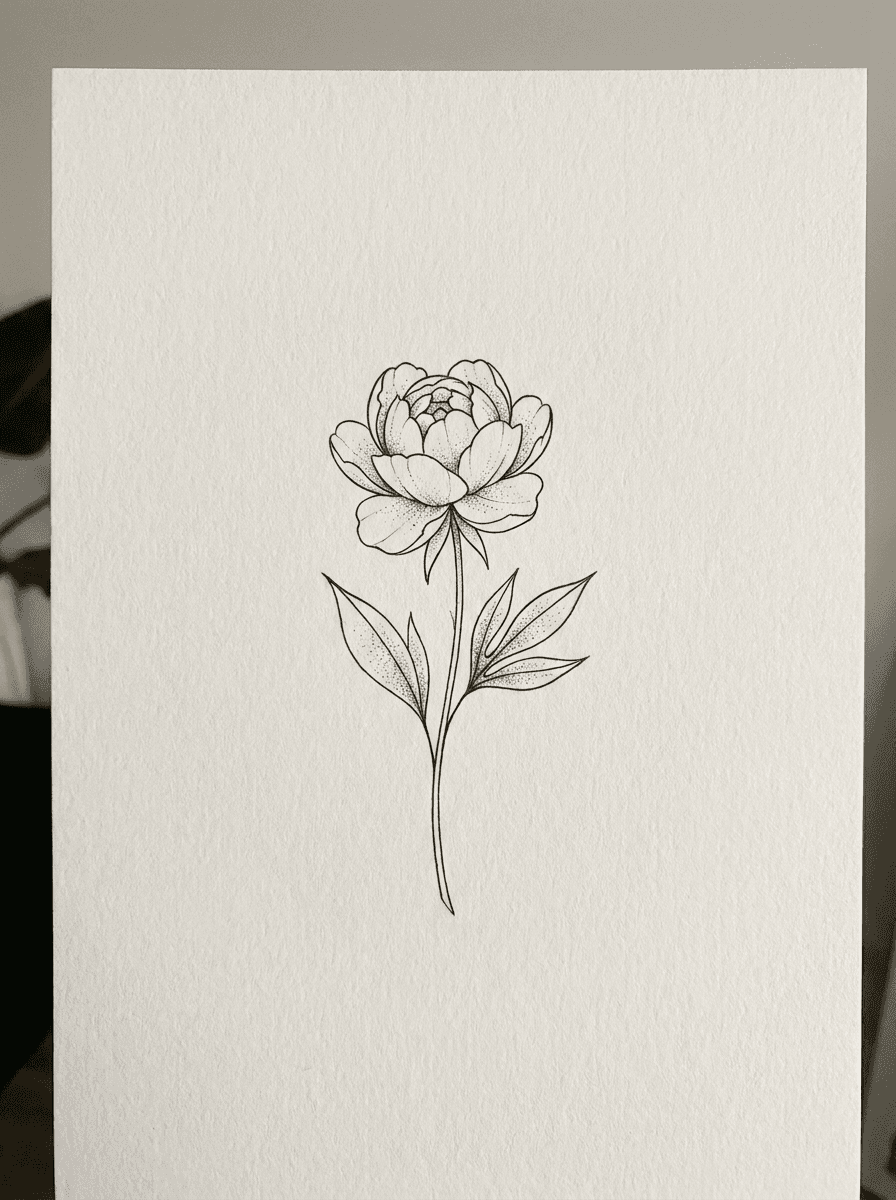
“Generate a fine line tattoo design of a peony stem with two leaves, delicate single-weight black linework with sparse dotwork, presented on plain off-white paper.”
Describe the subject and style — fine line, American traditional, geometric, blackwork, script — and Made generates a design concept as a PNG. It’s a reference to bring to your tattoo artist, not a placement preview on skin.
Fine line“Generate a fine line tattoo design of a peony stem with two leaves, delicate single-weight black linework with sparse dotwork, presented on plain off-white paper.”
Name what the tattoo depicts and any meaning-driven details — “a swallow carrying a sprig of lavender,” “a compass with a mountain range inside.”
Say fine line, American traditional, geometric, blackwork, dotwork, or script, and whether you want color or black ink only.
Each run is a new render. Generate several takes and note which elements you want your artist to keep.
Download the PNG as a reference. A tattoo artist will redraw and adapt the design for your body and their technique.
Real results from Made. Use a prompt to load it into the studio above, then add your own photo.
“Generate a fine line tattoo design of a peony stem with two leaves, delicate single-weight black linework with sparse dotwork, presented on plain off-white paper.”
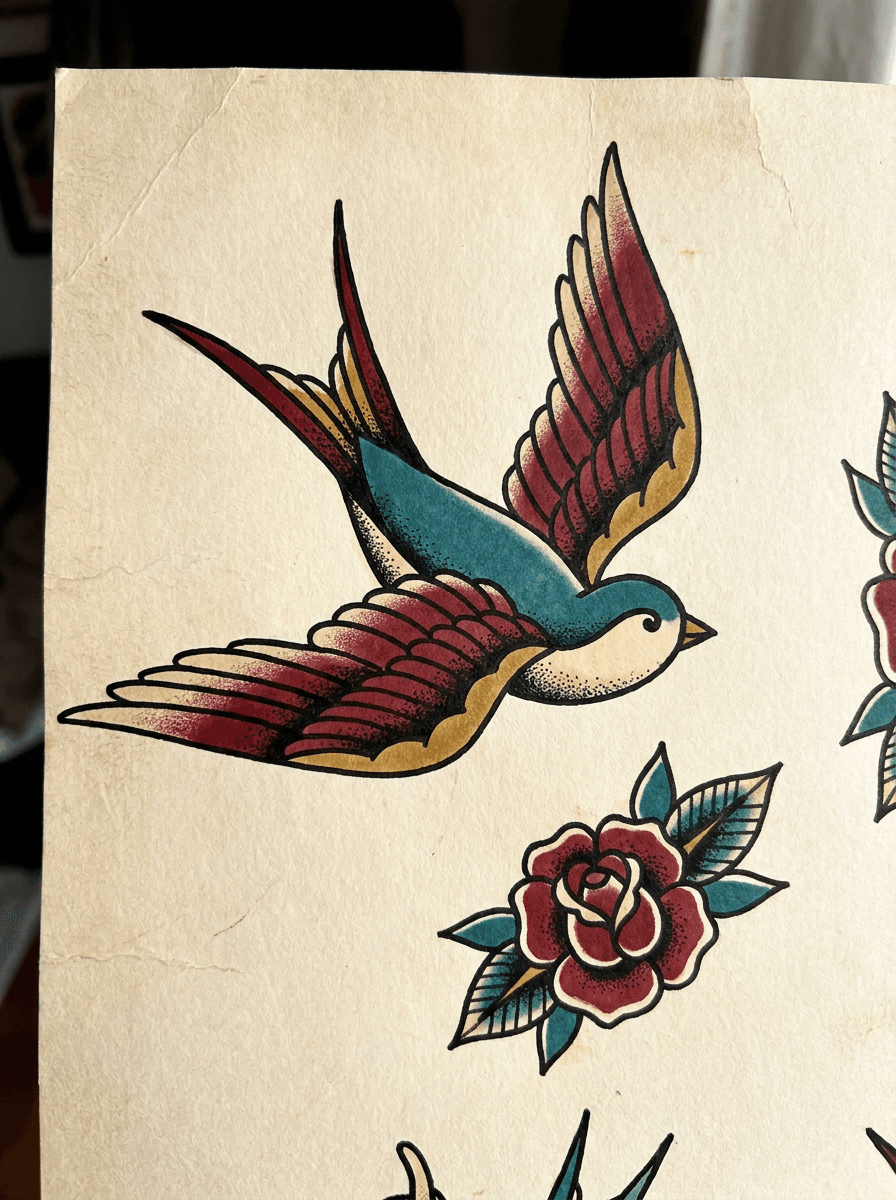
“Create an American traditional tattoo flash of a swallow in flight with a small rose beneath, bold black outlines, red, gold, and teal palette, on plain paper.”
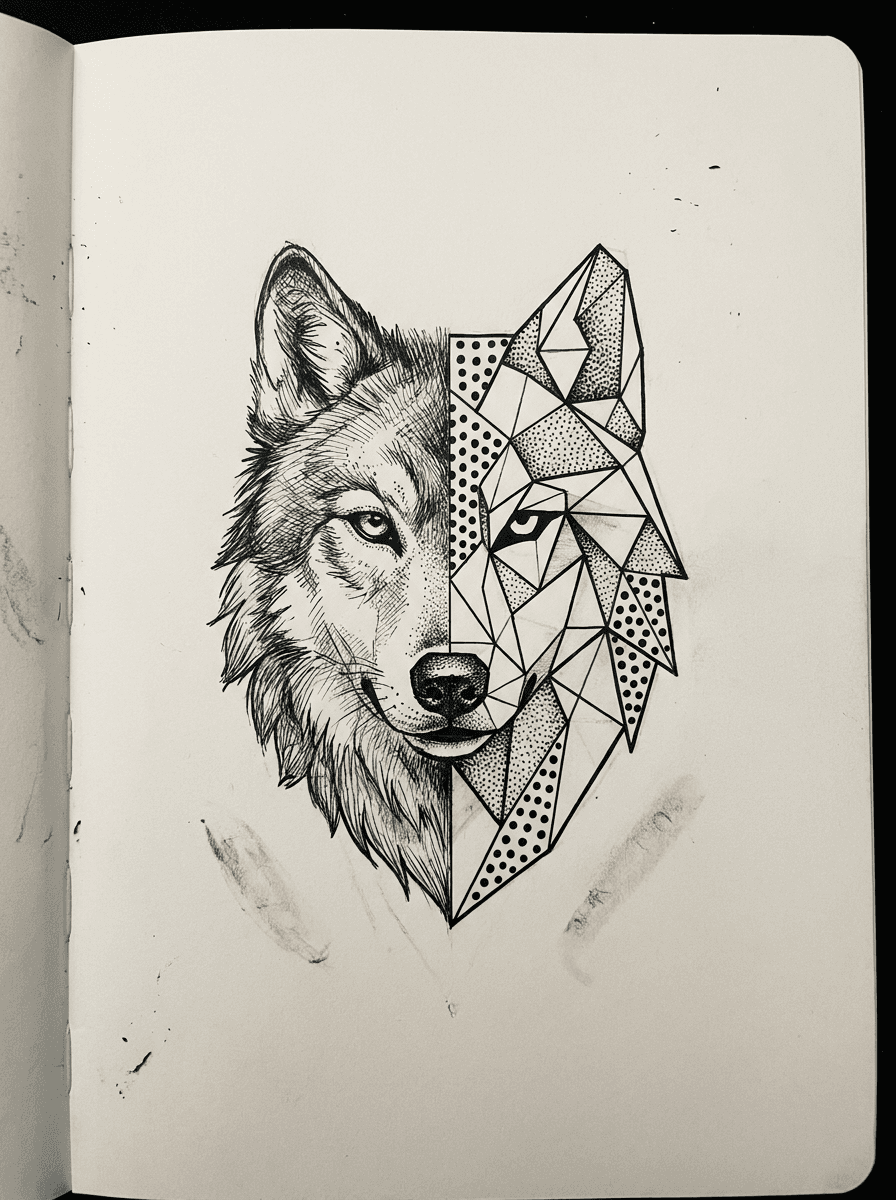
“Design a geometric blackwork tattoo of a wolf head, half realistic sketch and half low-poly facets with symmetrical dotwork, black ink only, on plain white paper.”
Checked against the running tool on 2026-09-03.
You describe the subject and the tattoo style — fine line, traditional, geometric, blackwork, script — and Made sends the description to the Nano Banana 2 image model, which renders a design concept and returns it as a PNG at 1K resolution, presented like flash on a plain background.
No. This tool generates a design reference on a plain background, not a placement preview. To roughly visualize a design on a photo of your own arm or back, upload that photo to the AI Photo Editor — but treat any preview as approximate, and rely on your artist’s stencil for real placement.
Any style you can name in the prompt: fine line, American traditional, neo-traditional, geometric, blackwork, dotwork, script, and illustrative looks all work. Naming the style, the ink treatment (black only or limited color), and the level of detail gives the most usable results.
Yes — put the exact word or phrase in the prompt and name the lettering style. Rendered text should be proofread character by character before you take it anywhere near a tattoo appointment; regenerate or rephrase the prompt if the spelling drifts.
Most artists are used to clients bringing reference images, and an AI concept works the same way as a saved photo or sketch: it communicates the direction. Expect the artist to redraw and adapt it for your anatomy, their linework, and how the design will age as a tattoo.
The tool generates whatever you describe, but designs based on trademarked logos or copyrighted characters carry rights questions that are your responsibility — and many artists decline to tattoo protected marks. Original subjects and styles avoid the issue entirely.
Each generation is a new render, so you cannot edit the previous image directly here. Keep the prompt that produced it and change one element at a time — “thinner lines,” “remove the banner,” “make the flower a peony.” For direct edits to a specific render, open it in the AI Photo Editor.

See what each one makes, then open it in Made.