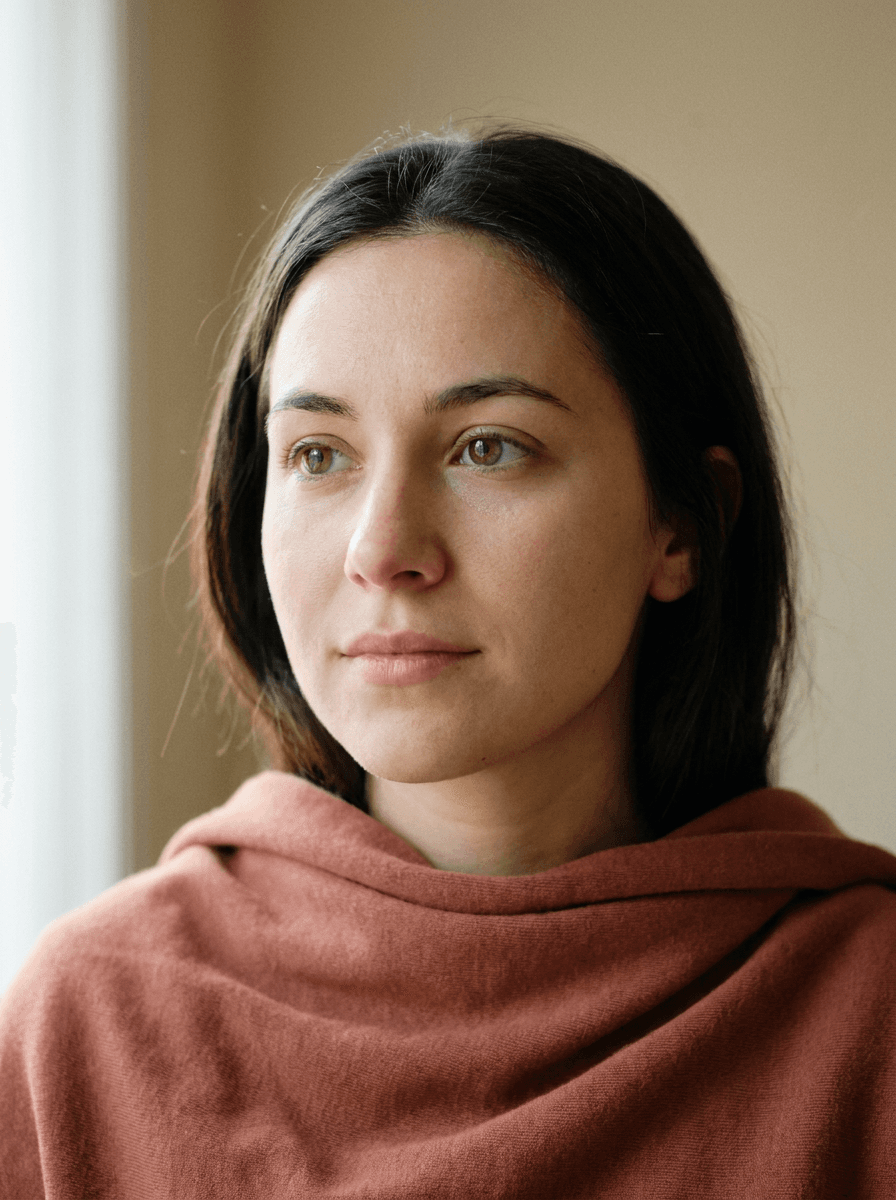
Natural skin cleanup
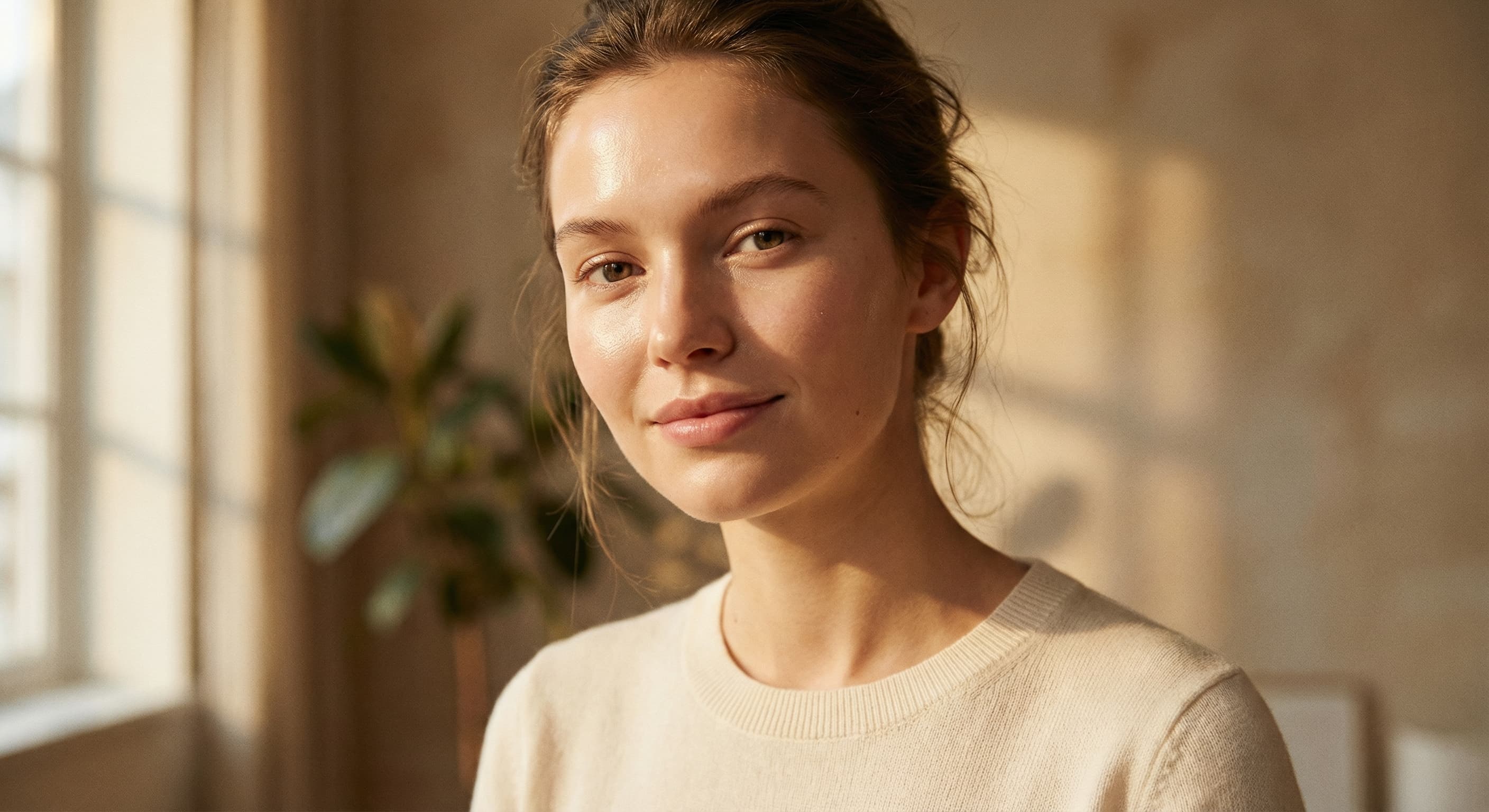
“Even out my skin tone and keep the texture natural.”
Upload a photo and write the retouching instruction — clean up skin, tame stray hairs, remove glare or blemishes. Made applies professional-grade retouching and returns a JPG.
Natural skin cleanup“Even out my skin tone and keep the texture natural.”
Choose a JPEG, PNG, or WebP where the area to retouch is clearly visible.
Be specific about what to fix and what to keep: “remove the forehead shine, keep the skin texture natural.”
The photo and instruction go to the FLUX 2 Dev model, which applies the edit.
Check the retouched area and the rest of the face for unintended changes, then download the JPG.
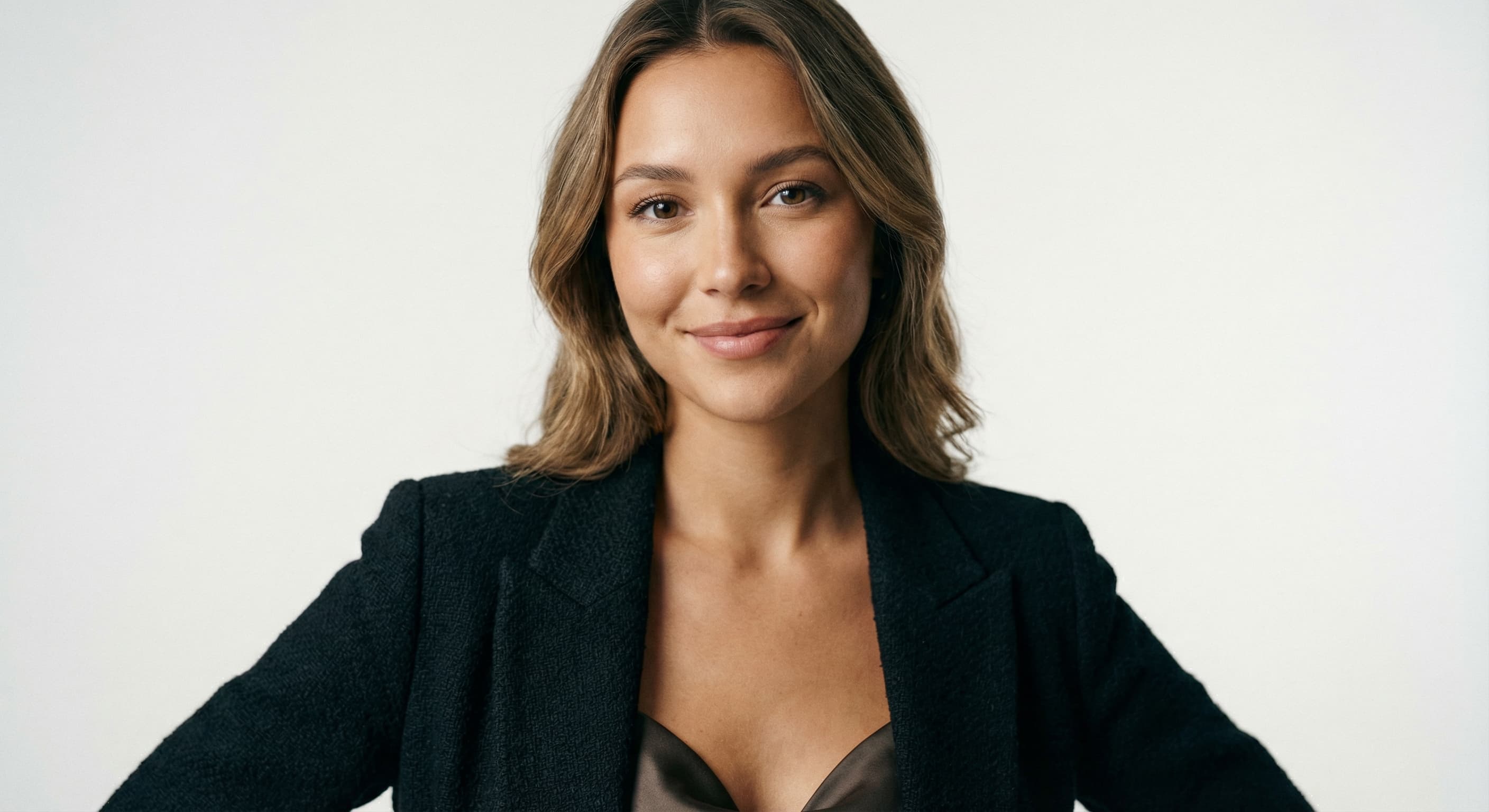
Real results from Made. Use a prompt to load it into the studio above, then add your own photo.
“Even out my skin tone and keep the texture natural.”
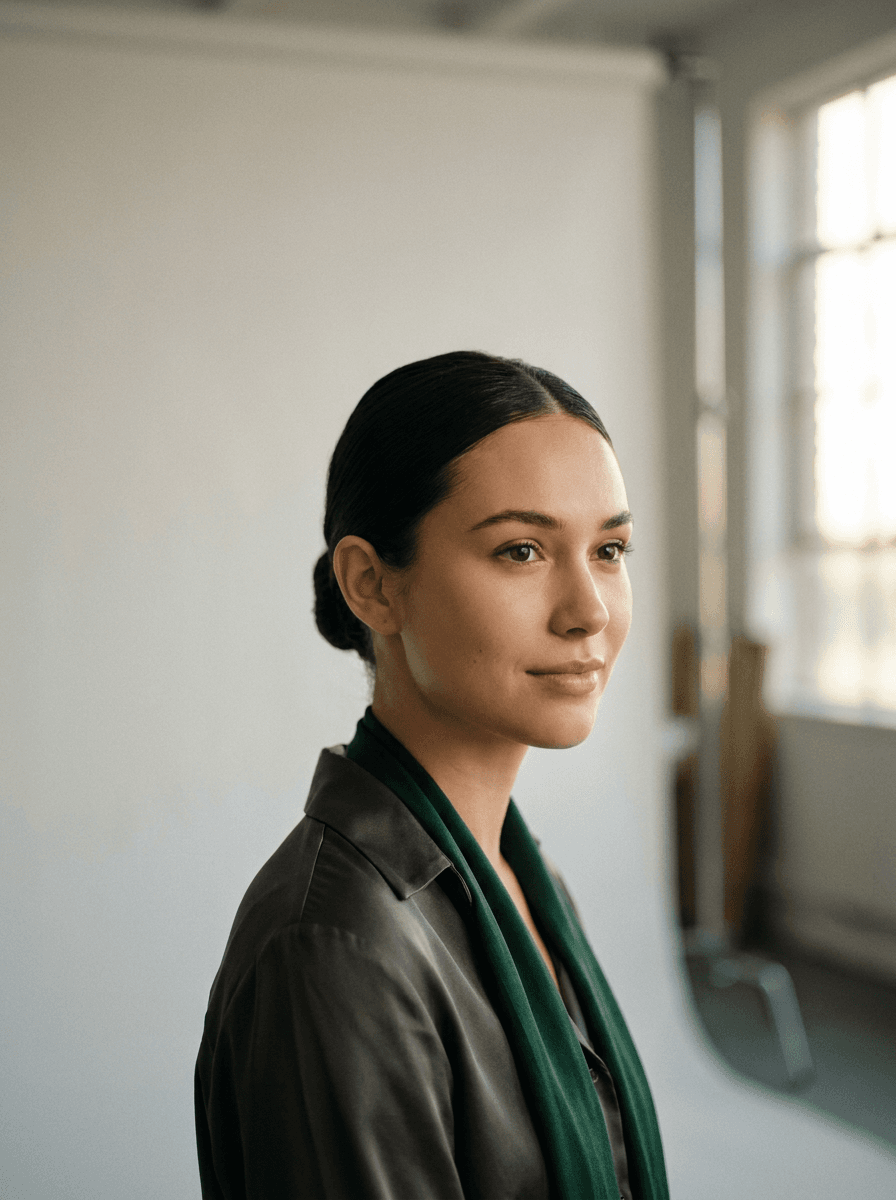
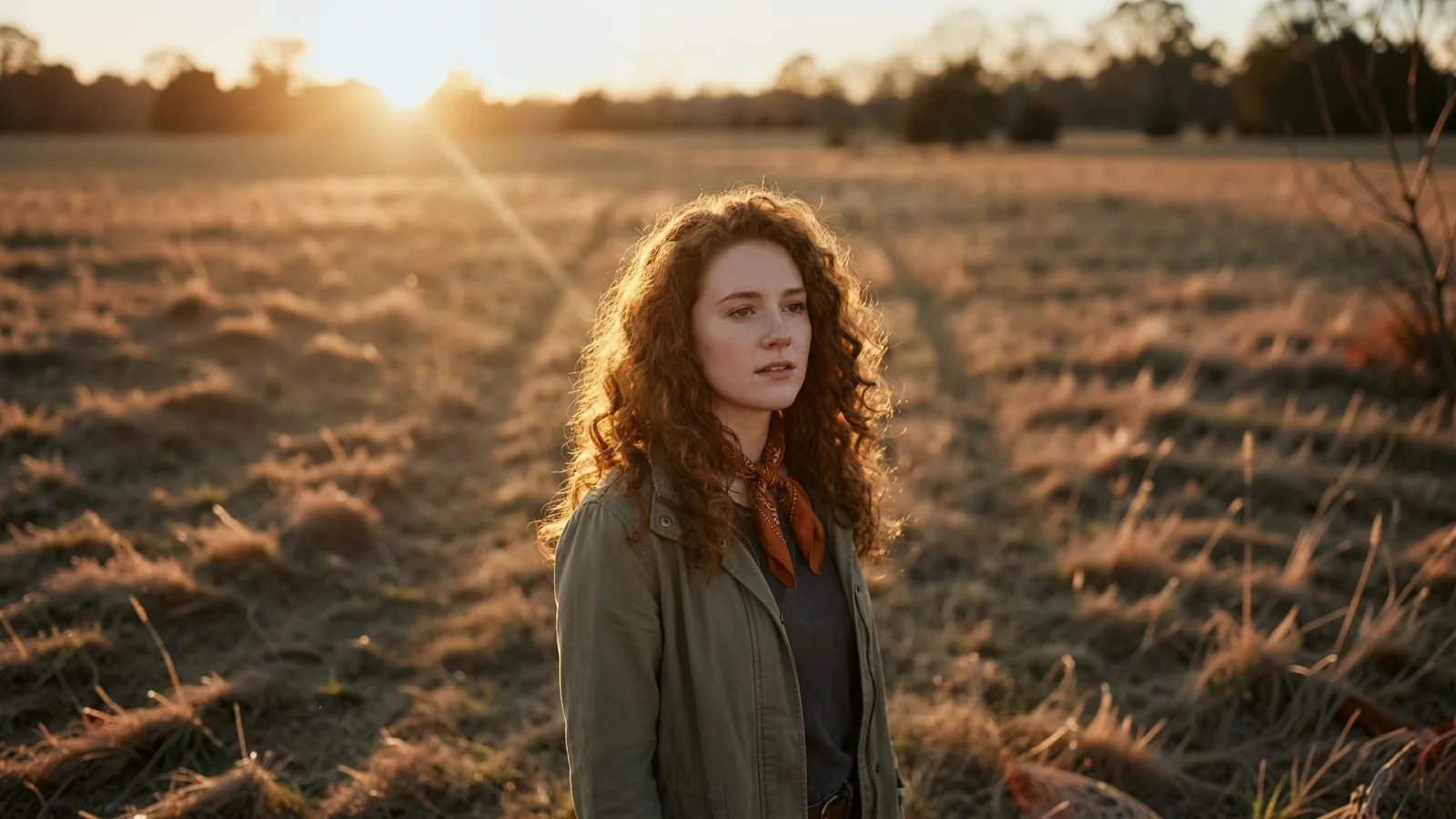
“Tidy the flyaway hairs around my hairline.”

“Remove the glare from my glasses so my eyes are visible.”
Checked against the running tool on 2026-09-03.
It applies the kinds of edits a professional retoucher would make — cleaning up skin, taming stray hairs, removing glare and blemishes, subtle beauty adjustments — from a written instruction instead of manual brushwork. You describe the fix; the model applies it.
Made sends your photo and your written retouching instruction to the FLUX 2 Dev model on Replicate, which applies the edit and returns a JPG at quality 90.
The workflow is built for retouching-style requests: skin cleanup, stray or flyaway hairs, glare on glasses or skin, blemish removal, and subtle beauty edits. Keep each instruction focused for the most controlled result.
Name the exact area and the change, and state what should not change: “remove the shine on my forehead, keep the skin texture and everything else the same.” Specific, bounded instructions produce more restrained edits than broad ones like “make me look better.”
The result is a JPG saved at quality 90. Inputs above 1,536 pixels are downscaled before retouching, so very large uploads come back smaller than the source.
Acne Remover runs automatically — it detects blemishes itself and inpaints only those spots on a dedicated pipeline. AI Photo Retouch follows your written instruction, so it covers a wider range of fixes but relies on how you describe them. For breakouts specifically, Acne Remover is the more targeted tool.
The instruction directs the model to the specific fix, but the edit is generative, so compare the result against the original — especially eyes, skin texture, and facial proportions — before using it anywhere official.

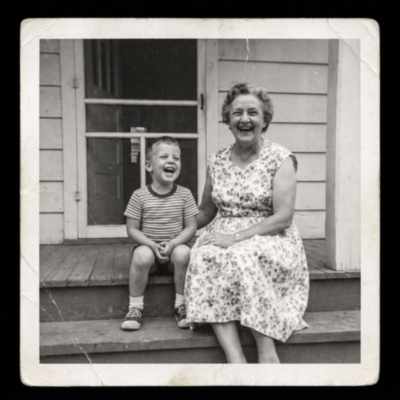
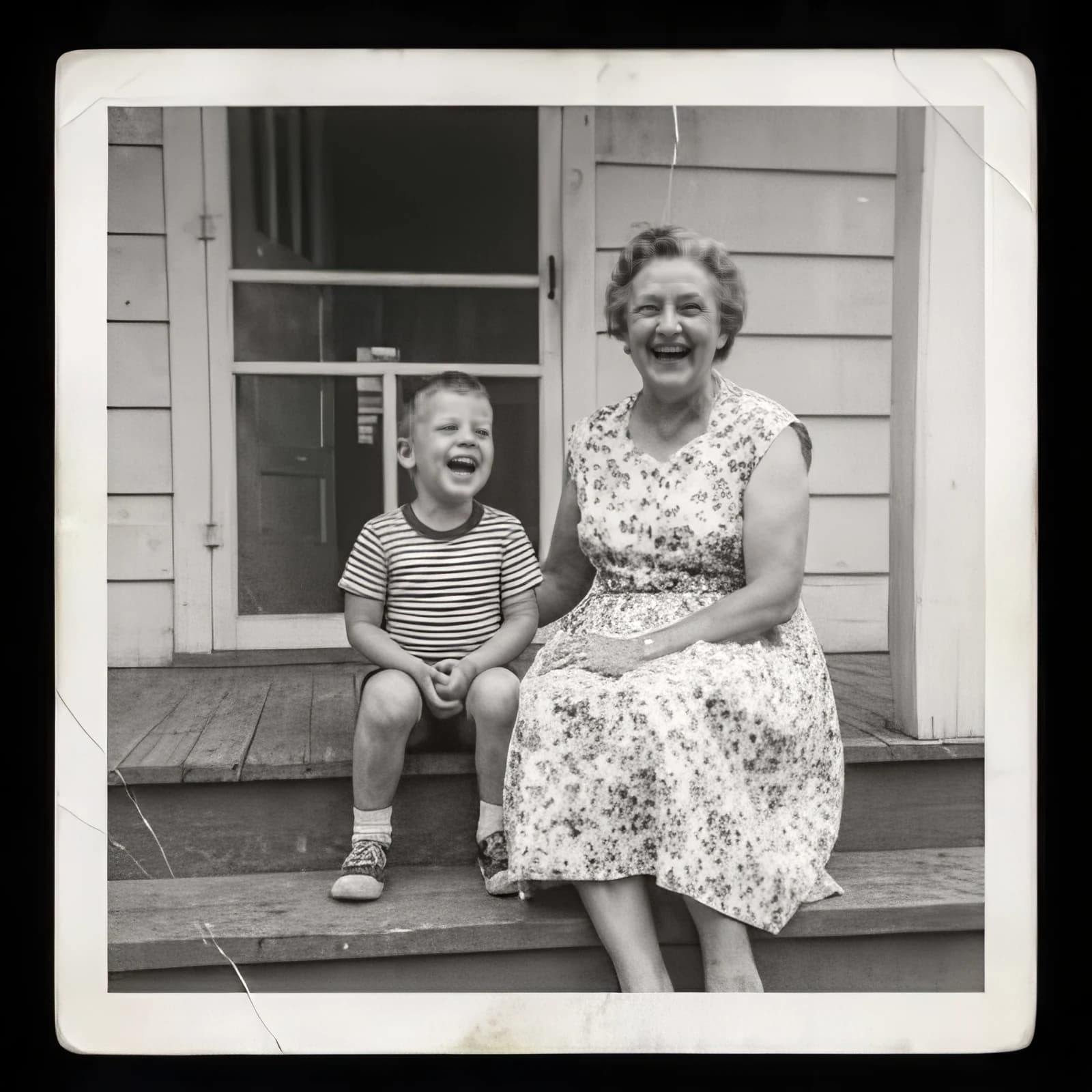
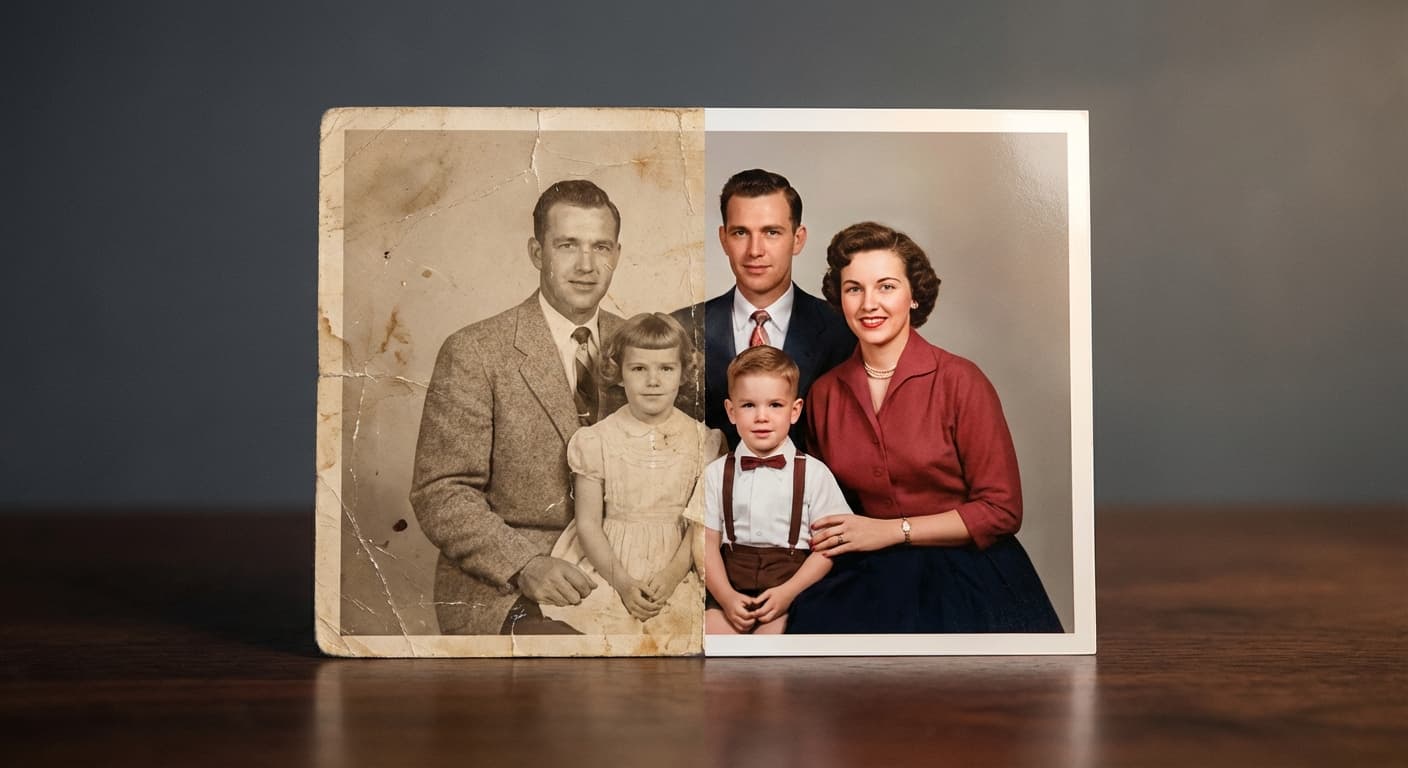
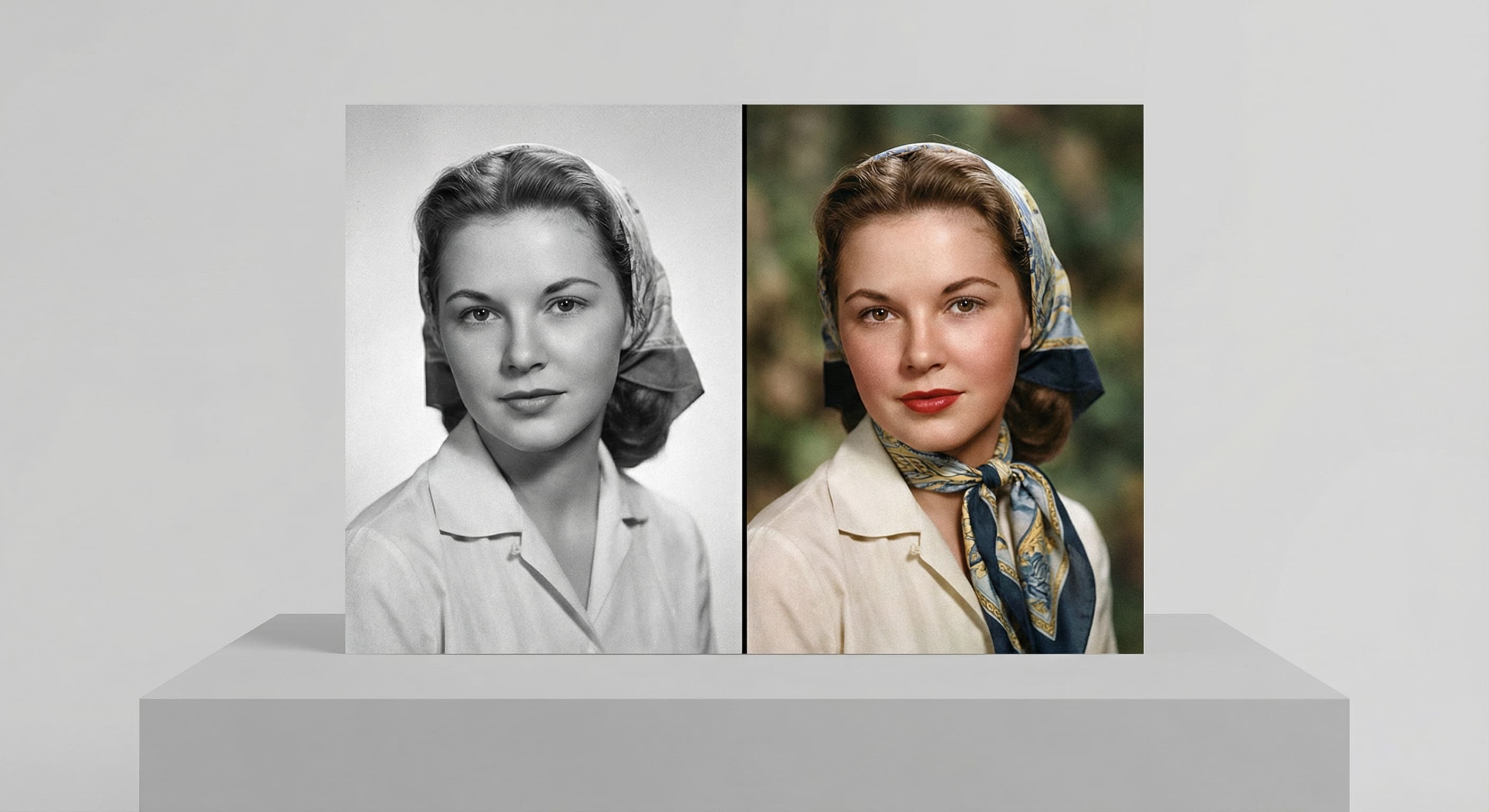
See what each one makes, then open it in Made.